What every new city keeps teaching me about fear, confidence, and moving forward anyway.
Every time I arrive somewhere new, I temporarily forget long enough for fear to convince me that this arrival will somehow be different.
The city changes.
The airport changes.
The language changes.
The transportation system changes.
But the emotional experience remains remarkably consistent.
It happened when I arrived in Tokyo.
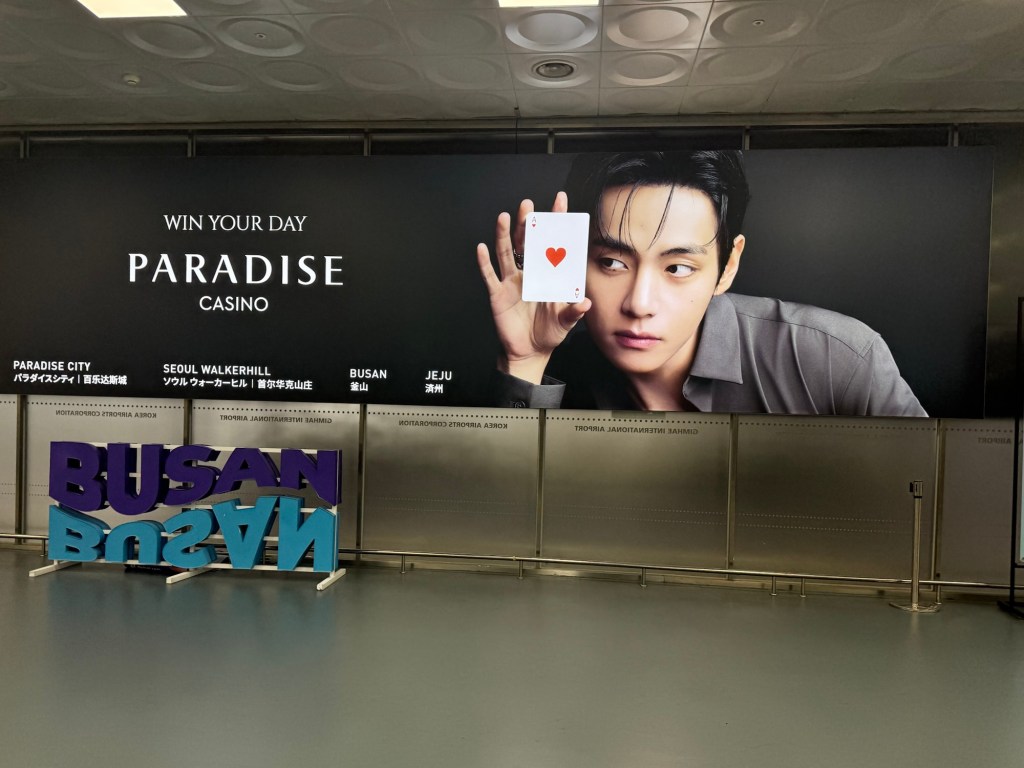
It happened when I arrived in Busan.
And if history is any indication, it will happen again in the next unfamiliar place waiting somewhere down the road.
The pattern always begins the same way.
I arrive.
I feel uncertain.
I question every decision.
I slowly begin to understand the system.
My confidence grows.
And then I repeat the process all over again.
For someone who travels alone, I have come to realize that the destination is rarely the hardest part.
It is the arrival.
The Arrival Anxiety Nobody Sees
When people think about travel, they often picture the highlights.
The skyline.
The food.
The famous landmarks.
The carefully framed photos posted online.
What they don’t see is the internal conversation happening before any of those moments occur.
On the morning I left Tokyo, that conversation began around 2:45 a.m. I woke up to use the bathroom and couldn’t fall back asleep.
Part of it was excitement.
Part of it was exhaustion.
Most of it was the familiar anxiety that comes with navigating another airport, another city, and another transportation system on my own.
My mind immediately started asking questions.
Did I pack everything?
Did I understand the train route correctly?
Would I find the right platform?
Would I miss something important?
Would I somehow get lost before the day even started?
Do I have enough time to get to my destination if I leave a certain time?
Fear has a remarkable talent for creating problems that do not yet exist.
As Winston Churchill once said:
“Fear is a reaction. Courage is a decision.”
At 5:00 a.m., I left my Airbnb in Tokyo and started moving because the train was leaving whether I felt ready or not.
The Moment Between Knowing and Not Knowing
A unique discomfort exists in every unfamiliar place. I call it the “What am I doing?” phase. You stand in front of signs written in a language you barely understand.
You stare at maps.
You double-check directions.
You wonder whether everyone else knows something you don’t.
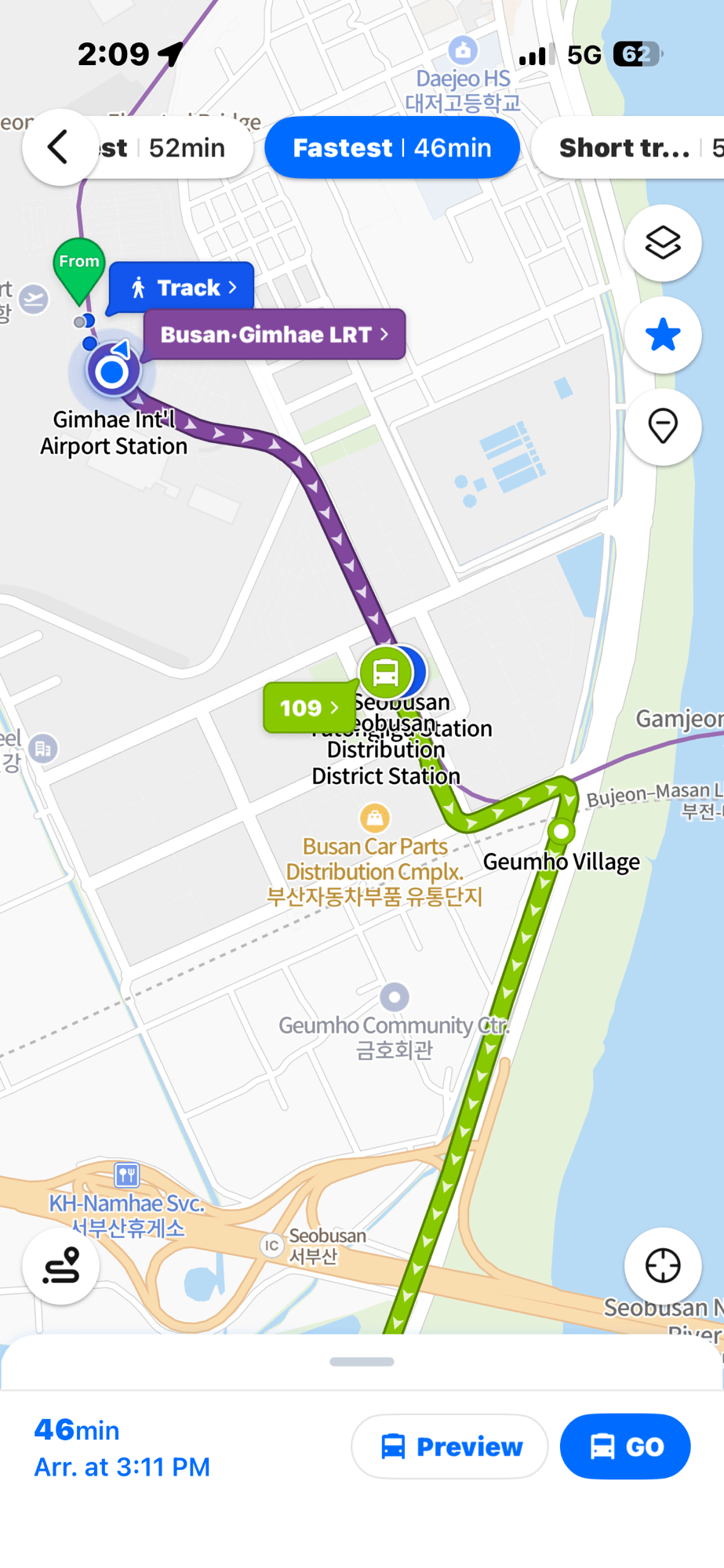
At Shinjuku Station, it happened when I couldn’t figure out where to buy my ticket for the Narita Express. In Busan, it happened again while trying to navigate the light rail and bus system.
For a few moments, uncertainty took over.
Where do I go?
Is this the right way to the station entrance?
Am I even in the right station?
Where do I buy the ticket?
Then, after finally finding the machine:
Where’s the English button?
Which ticket do I need?
Will it take my card?
Later, standing in front of unfamiliar transit maps:
Which platform is correct?
Am I doing this right?
Yet something interesting happens every single time.
The city begins to reveal itself.
One sign makes sense.
One transfer works.
One station name becomes familiar.
And before long, what felt confusing starts to feel navigable. The uncertainty begins to loosen its grip.
The Pattern I’ve Started Recognizing
After enough arrivals, I have begun recognizing something important.
The uncertainty is not a warning sign.
It is part of the process.
Every new city follows the same emotional sequence:
Arrive.
Feel uncertain.
Question everything.
Understand the system.
Build confidence.
Repeat.
The mistake is believing that confidence comes first.
It doesn’t.
Confidence is usually the reward for moving through uncertainty.
Not the prerequisite.
That realization reminds me of Joshua 1:9:
“Have I not commanded you? Be strong and courageous. Do not be afraid; do not be discouraged, for the Lord your God will be with you wherever you go.”
Wherever you go.
Not after you figure everything out.
Not after you become fearless.
Wherever you go.
Boarding the Train Anyway
By the time I arrived at my hotel in Busan, the fear that had been present earlier that morning had largely disappeared.
Nothing magical had happened.
I hadn’t become a different person.
I had simply moved through enough uncertainty to gain understanding.
And understanding eventually created confidence.
That is often how courage works.
We imagine courage as something dramatic.
A grand gesture.
A heroic act.
But most courage is surprisingly ordinary.
It looks like boarding the train anyway.
Taking the bus anyway.
Walking into the restaurant anyway.
Stepping outside the hotel anyway.
Doing the thing before you feel completely ready.
As Nelson Mandela famously said:
“I learned that courage was not the absence of fear, but the triumph over it.”
Fear may ride alongside us.
It simply doesn’t get to drive.
What Travel Keeps Teaching Me
Travel has taught me many practical things.
How to navigate train systems.
How to adapt quickly.
How to communicate despite language barriers.
But the greatest lesson has been far more personal.
Travel keeps introducing me to myself.
Every unfamiliar city reveals how I respond to uncertainty.
Every wrong turn teaches resilience.
Every successful arrival builds trust.
Every challenge proves I am more capable than I believed the day before.
In many ways, travel is not about discovering places.
It is about discovering the person who emerges while navigating them.
As Saint Augustine wrote:
“The world is a book, and those who do not travel read only one page.”
I would add that travel doesn’t just help us read more pages of the world.
It helps us read more pages of ourselves.
Soul Insights
1. Fear Often Arrives Before Reality
Most of the things I worry about never happen. My imagination routinely creates obstacles far larger than the ones I actually encounter. The train station is usually easier than I feared. The airport is usually more organized than I expected. Fear tends to speak in possibilities, while reality tends to speak in facts.
2. Confidence Is Earned Through Motion
I often wait for confidence to appear before taking action. Travel repeatedly reminds me that confidence is usually the result of action, not the cause of it. Every successful transfer, navigation decision, and conversation adds another layer of self-trust. Movement creates momentum, and momentum creates confidence.
3. Getting Lost Is Part of Learning
Every city has moments of confusion. Every traveler misses signs, takes wrong turns, or second-guesses directions. What once felt like failure now feels like education. Getting lost is often how familiarity begins.
4. The Soul Grows in Unfamiliar Places
Comfort has value, but growth rarely lives there permanently. New environments expose assumptions, habits, fears, and strengths that remain hidden in familiar routines. Every arrival becomes an invitation to expand. The soul develops depth when certainty is replaced by curiosity.
5. God Is Present in the Unknown
One of the most beautiful lessons of travel is discovering that God’s presence is not confined to familiar places. Whether standing in a Tokyo train station, a Busan airport, or a quiet hotel room halfway around the world, His faithfulness remains unchanged. Isaiah 41:10 reminds us: “Fear not, for I am with you; be not dismayed, for I am your God.” The unknown feels less intimidating when we remember we never enter it alone.
Final Thoughts
As I reflect on arriving in Busan, I realize the city itself may not be the most important part of the story.
The real story is the pattern.
The one I keep forgetting.
And the one travel keeps teaching me.
The uncertainty always comes first.
Then comes understanding.
Then comes confidence.
Every.
Single.
Time.
The fear never completely disappears. What changes is my willingness to move forward anyway. Perhaps that is what courage has always been.
Not waiting for certainty.
Not eliminating fear.
Simply taking the next step while carrying both.
And trusting that understanding will eventually catch up.
Your Turn
Think about a time when you entered unfamiliar territory—a new city, a new job, a new relationship, a creative project, or a completely new season of life.
What did the beginning feel like?
Where did uncertainty show up?
And looking back now, can you see the same pattern?
Uncertainty.
Understanding.
Confidence.
I’d love to hear your story in the comments.
© 2026 Amelie Chambord


Leave a Reply