Reflections on Psalm 73
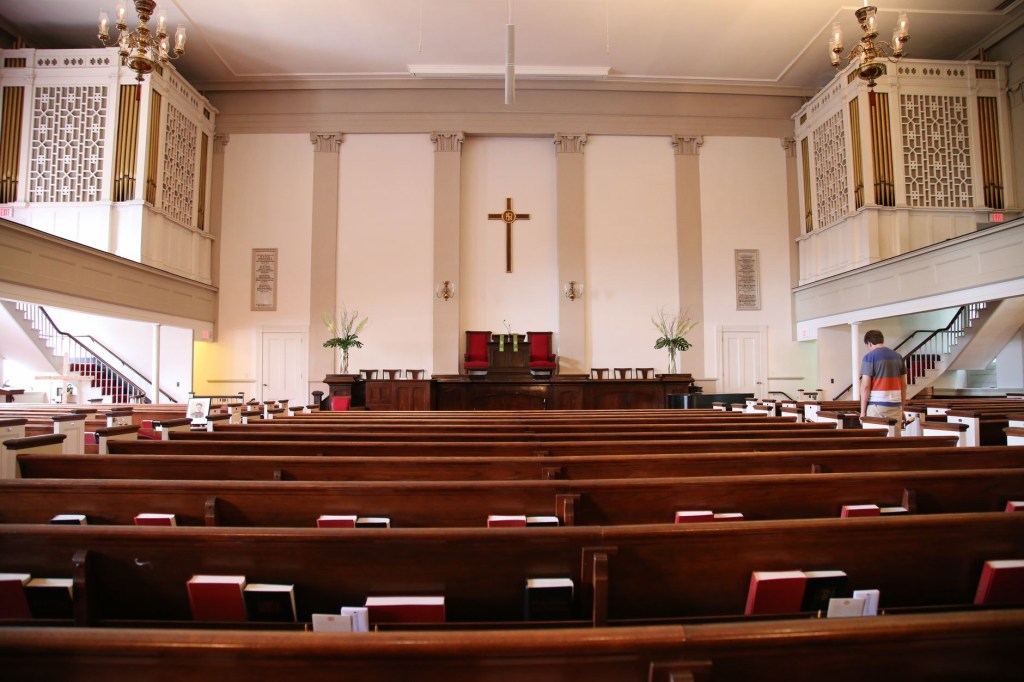
During Sunday’s sermon, the preacher asked a question that stayed with me.
What part of your life have you stopped talking to God about?
I sat there thinking about it.
We all have things we’ve prayed about, sometimes for years. Some prayers are answered fairly quickly. Others take longer than we expected. Then there are those we’ve prayed so many times that, eventually, we stop bringing them up.
Not necessarily because we no longer care, but because we’re tired of asking.
That question came toward the end of a sermon about Psalm 73, a chapter I found particularly interesting because it deals with something we don’t always like admitting: sometimes we struggle to understand God’s goodness when our circumstances aren’t going well.
We say, “God is good all the time, and all the time, God is good.”
I believe that.
But what happens when life doesn’t feel good?
What happens when you’ve been doing your best to live faithfully, making responsible decisions, helping others, and praying about your concerns, yet things don’t seem to be improving?
That’s what I found myself thinking about as we studied Psalm 73.
When Doing the Right Thing Doesn’t Seem to Pay Off
Psalm 73 begins with Asaph declaring that God is good to those who are pure in heart.
But almost immediately, he admits something surprising.
“But as for me, my feet had almost slipped; I had nearly lost my foothold.” (Psalm 73:2, NIV)
He goes on to explain that he had become envious of the arrogant because they seemed to prosper.
These were people who apparently had little concern for God or righteousness. Yet they appeared healthy, wealthy, and free from the difficulties Asaph was experiencing.
Meanwhile, he was trying to live faithfully.
And he began questioning whether it was worth it.
I thought that was an interesting admission.
We don’t usually associate envy with someone who is trying to live a righteous life. But Asaph didn’t hide what he was feeling.
He looked at what others had, compared their circumstances with his own, and wondered why things seemed so unfair.
I can understand that.
Living in Los Angeles, I see reminders of wealth everywhere. Beautiful houses, expensive cars, successful businesses, and people who seem to have the freedom to enjoy whatever they want.
Sometimes I wonder what it would be like to have that kind of financial security.
I don’t think there’s anything wrong with wanting a comfortable life. We all have responsibilities, and having enough money to meet those responsibilities without constantly worrying about them would certainly make life easier.
But I also recognize that what I see from the outside doesn’t tell me everything about someone else’s life.
A beautiful home doesn’t tell me whether the people living there are happy. An expensive car doesn’t tell me whether its owner is financially secure. And someone’s professional success doesn’t tell me what they’ve sacrificed to get there.
Still, it’s easy to compare.
And when we’re already dealing with difficulties, those comparisons can make our own circumstances feel worse.
That’s where I think Asaph found himself.
When Disappointment Begins Affecting Our Faith
In Psalm 73:13, Asaph says:
“Surely in vain I have kept my heart pure and have washed my hands in innocence.”
That verse caught my attention.
Asaph wasn’t simply saying that life was difficult. He was beginning to question whether living righteously had accomplished anything.
I think there’s an important distinction there.
It’s one thing to be disappointed about something that hasn’t worked out. It’s another to allow that disappointment to determine whether we continue doing what we believe is right.
The preacher made a point that I thought was worth remembering:
Disappointment becomes dangerous when it starts deciding whether obedience is worthwhile.
I had to think about that.
I’ve always believed that contributing to something bigger than myself is worthwhile. Whether it’s helping with a church activity, volunteering, or organizing a community project, I appreciate knowing that my efforts can benefit other people.
But I also know how exhausting those commitments can become.
There are meetings, deadlines, unexpected problems, and responsibilities that don’t disappear simply because I’m tired.
Sometimes you put considerable time and energy into something, only to discover that things aren’t progressing the way you expected.
And naturally, you begin wondering whether all that effort is making a difference.
I think that’s when I need to examine my expectations.
Am I doing something because I believe it’s worthwhile, or have I started measuring its value entirely by the results?
Of course, results matter. If I’m responsible for a project, I want it to succeed. I want to know that the time and resources invested are being used well.
But not everything meaningful produces immediate or visible results.
Sometimes helping one person matters, even if nobody else knows about it.
Sometimes doing the right thing costs us time, money, or convenience.
And sometimes we have to accept that our efforts won’t produce the outcome we hoped for.
That doesn’t automatically mean the effort was wasted.
God Can Handle an Honest Conversation
Another part of the sermon that stood out to me was the discussion about prayer.
The preacher talked about how we sometimes approach God with formal, carefully worded prayers while avoiding the very things that are troubling us.
We thank Him for His blessings. We ask Him to protect our families. We pray for wisdom and guidance.
Those are all good things to pray about.
But what about the things we’re frustrated with?
What about the prayers we’ve repeated for years?
What about the situations we don’t understand?
I appreciate that the Psalms don’t present prayer as something that always has to sound positive.
David questioned God. Asaph admitted his envy. Other psalmists expressed grief, anger, fear, and disappointment.
Psalm 13 begins with David asking how long God will forget him.
That’s a pretty direct question.
And yet it’s part of Scripture.
I think we sometimes become so concerned about saying the right things in prayer that we forget we’re supposed to be having an honest conversation with God.
If I’m struggling with something, I don’t need to pretend otherwise.
God already knows what’s happening in my life.
I can tell Him I’m frustrated. I can admit that I’m tired. I can acknowledge that I don’t understand why certain things are happening.
That doesn’t mean every feeling I have is correct or that every conclusion I draw is reasonable.
But bringing those thoughts before God gives me an opportunity to examine them instead of allowing them to build up quietly.
And perhaps that’s something I need to practice more consistently.
What Happened When Asaph Entered God’s Sanctuary?
The turning point in Psalm 73 comes in verse 17.
“Till I entered the sanctuary of God; then I understood their final destiny.”
Before this, Asaph had been struggling to understand why the wicked seemed to prosper.
He had spent so much time looking at their circumstances that he was beginning to question his own commitment to God.
But when he entered God’s sanctuary, his understanding changed.
He began recognizing that the prosperity he envied wasn’t necessarily permanent or secure.
What interested me was that the passage doesn’t say Asaph suddenly became wealthy or that all his problems disappeared.
His circumstances weren’t the focus of the change.
His perspective was.
That made me think about how I approach difficult situations.
Usually, when I pray about a problem, I’m asking God to help me resolve it.
If I’m worried about finances, I want to find a practical solution. If I’m facing a difficult decision, I want to make the right choice. If something isn’t working, I want to understand what needs to change.
I don’t think there’s anything wrong with those prayers.
James 1:5 tells us to ask God for wisdom, and I take that seriously.
But I also wonder how often I become so focused on finding a solution that I overlook the possibility that my understanding of the situation may be incomplete.
Perhaps I’ve made assumptions that aren’t necessarily true.
Perhaps I’m expecting something to happen according to my preferred timeline.
Or perhaps I’m allowing frustration to influence the way I interpret what’s happening.
That doesn’t mean every problem is simply a matter of perspective. Some situations genuinely need to change, and some require us to take action.
But I do think there’s value in asking God to help us see things more clearly before deciding what to do next.
Remembering How God Has Helped Me Before
When I think about God’s goodness, I often remember the times when I didn’t know how things were going to work out.
There was a period in my life when I didn’t have a place of my own.
Friends opened their home to me, and I stayed with them for almost a year without having to pay rent.
I was incredibly grateful because I genuinely needed that help.
Eventually, I found work and was able to move into another household.
Looking back, I recognize how much their generosity meant to me.
I believe God provided for me through those friends.
It wasn’t a situation I would have chosen for myself. There was uncertainty, and I had to depend on other people during a difficult period.
But I got through it.
I’ve had other experiences when things didn’t go according to plan, and I had to make decisions without knowing exactly how everything would turn out.
Some situations worked out better than I expected. Others required adjustments, patience, and a willingness to accept help.
When I remember those experiences, I’m reminded that God has already carried me through circumstances I once found overwhelming.
I don’t want to forget that simply because I’m facing something difficult today.
At the same time, remembering past blessings doesn’t mean I should ignore present concerns.
I still have responsibilities. I still need to make wise decisions. I still have goals I’m working toward.
But those past experiences give me reasons to remain thankful, even when I don’t have all the answers.
When Being Busy Isn’t the Same as Being Close to God
The preacher also talked about the difference between participating in religious activities and genuinely pursuing God’s presence.
I thought that was an important point.
It’s possible to attend church regularly, serve in different capacities, participate in activities, and still neglect our personal time with God.
I can understand how that happens.
When you have work responsibilities, personal projects, household obligations, and commitments to other people, it’s easy to fill your schedule.
And sometimes the things filling that schedule are good things.
But being busy doing good things doesn’t necessarily mean I’m spending enough time reflecting on my relationship with God.
I can read Scripture simply to finish a reading plan.
I can pray because it’s part of my routine.
I can participate in church activities because I’ve committed to being there.
None of those things are wrong.
But I need to ask myself whether I’m genuinely engaging with what I’m doing.
Am I taking time to understand what I’m reading?
Am I thinking about how Scripture applies to my decisions and behavior?
Am I being honest when I pray?
Or am I simply going through the motions?
I don’t want my relationship with God to become another item on my to-do list.
That’s one reason I value quiet time.
It gives me an opportunity to sit with Scripture, think about what it means, and examine my own life without feeling that I need to produce something immediately.
Sometimes I come away with a clearer understanding.
Other times, I leave with more questions.
Either way, I think the time is worthwhile.
What Does It Mean for God to Be Enough?
Toward the end of Psalm 73, Asaph says:
“Whom have I in heaven but you? And earth has nothing I desire besides you.” (Psalm 73:25, NIV)
I had to spend some time thinking about that verse.
Because I have plenty of things I want to accomplish.
I want to continue writing. I want to travel and experience more of the world. I want to develop my creative projects, improve my financial situation, and prepare responsibly for the future.
I don’t believe those desires are wrong.
But I do think Psalm 73 challenges me to examine how much importance I place on achieving them.
If something doesn’t work out the way I hoped, does that mean my life is any less meaningful?
If I don’t reach a particular goal, does that erase everything I’ve already accomplished or experienced?
I don’t think so.
I’ve had opportunities I never imagined having when I was younger.
I’ve traveled to different countries, built lasting friendships, served in the military, and experienced different stages of life that have shaped who I am today.
I’ve also experienced disappointment, uncertainty, loss, and setbacks.
All of those experiences are part of my life.
I don’t want to spend so much time thinking about what I haven’t accomplished that I overlook what I’ve already been given.
But I also don’t think being content means I should stop making plans or pursuing meaningful goals.
I can appreciate my life as it is while continuing to work toward the things I hope to achieve.
The challenge is making sure those goals don’t become the measure of God’s goodness.
The Question I Took Home
The sermon ended with a challenge.
The preacher asked us to think about the part of our lives we’ve stopped talking to God about.
I thought that was a good question because I suspect most of us have something.
Maybe it’s a concern we’ve prayed about for years.
Maybe it’s a situation we’ve accepted because we don’t know what else to do.
Or perhaps it’s something we’ve become reluctant to bring up because we’re tired of thinking about it.
Whatever it is, the preacher encouraged us to bring it before God again.
He suggested a simple prayer:
“God, here is what I’m experiencing. Here is the conclusion I’m drawing. Show me my next faithful step.”
I like the simplicity of that prayer.
It asks us to be honest about our circumstances while also examining the conclusions we’ve reached.
Because sometimes those conclusions deserve a second look.
And sometimes the next faithful step isn’t immediately obvious.
We may need wisdom, patience, advice from someone we trust, or time to reconsider what we’ve been doing.
I don’t think every quiet time needs to end with a dramatic realization.
Sometimes studying Scripture helps me recognize something I hadn’t considered before.
Sometimes it reminds me of something I already knew but haven’t been practicing.
And sometimes it leaves me with a question worth thinking about for the rest of the week.
That’s what happened with Psalm 73.
I’m still thinking about the preacher’s final question.
And perhaps that’s a good place to begin.
Soul Insights
1. Disappointment is something I can bring before God.
Psalm 73 reminds me that struggling with disappointment isn’t unusual, even among people who sincerely want to follow God. Asaph was honest about his frustration and envy. I can learn from that honesty instead of feeling pressured to make every prayer sound positive. What matters is that I bring those thoughts before God and allow Scripture to challenge my understanding.
2. Comparing my circumstances with others rarely gives me the complete picture.
I can see what someone owns or what they’ve accomplished, but I don’t know everything they’ve experienced. It’s easy to make assumptions based on appearances, especially when I’m already concerned about my own circumstances. I need to remember that another person’s success doesn’t tell me whether I’m making progress in my own life. My decisions should be guided by wisdom and my values, not by what someone else happens to have.
3. I need to examine the conclusions I draw when I’m disappointed.
When something doesn’t work out, I sometimes begin thinking about what went wrong and what I should do differently. That’s useful when it leads to better decisions. But frustration can also cause me to make assumptions without enough information. Psalm 73 encourages me to bring those thoughts before God and consider whether I’m seeing the situation clearly.
4. Serving others is worthwhile, but I also need to recognize my limitations.
I believe in contributing to my church and community. I’ve seen how much can be accomplished when people willingly give their time and abilities. But I also know that responsibilities can become overwhelming when we don’t manage them carefully. I want to continue serving with a willing heart while making room for rest, prayer, and the other responsibilities in my life.
5. I can appreciate what I have while continuing to work toward my goals.
There are things I still hope to accomplish, and I don’t see anything wrong with pursuing them. But I don’t want those goals to prevent me from appreciating the life I have today. I’ve experienced God’s provision through people, opportunities, and circumstances I couldn’t have planned myself. Remembering those experiences helps me approach the future with gratitude and a willingness to keep learning.
Further Reflection
Psalm 73:1–28 — Asaph’s struggle with envy, disappointment, and his renewed understanding of God’s goodness.
Psalm 13:1–6 — David’s honest questions during a difficult season.
James 1:5 — Asking God for wisdom when we don’t know what to do.
Three Thoughts to Carry Into the Week
“Just because I don’t understand what’s happening doesn’t mean I’ve understood everything God is doing.”
“I can be thankful for what I have without pretending I have no concerns.”
“Before deciding that something isn’t worth the effort, I need to examine what I’ve been expecting from it.”
A Prayer for Today
Heavenly Father,
Thank You for another opportunity to spend time in Your Word.
Today’s study reminded me that I don’t always see things clearly, especially when I’m disappointed or worried about something.
Help me recognize when I’m comparing my circumstances with others or making assumptions about situations I don’t fully understand.
Thank You for the ways You’ve provided for me throughout my life. I’m grateful for the people who have helped me, the opportunities I’ve received, and the difficult circumstances You’ve helped me through.
Please give me wisdom in the decisions I need to make.
Help me remain faithful in the responsibilities You’ve placed before me, and teach me to recognize when I need to rest or ask for help.
And for the concerns I’ve stopped bringing before You, help me find the words to talk about them again.
I want to continue growing in my understanding of Your Word and applying what I learn to my everyday life.
In Jesus’ name, Amen.
Quiet Time Challenge
Read Psalm 73 slowly, paying particular attention to verses 13–17 and 23–28.
Then spend some time considering these questions:
- Have I been comparing my circumstances with someone else’s?
- Is disappointment influencing how I view God or my responsibilities?
- When was the last time I spent time in prayer without rushing through it?
- What conclusion have I reached about a difficult situation that I may need to reconsider?
- Is there something I’ve stopped bringing before God?
You don’t need to share your answers with anyone.
Some things are worth discussing with people we trust. Others are conversations we need to have privately with God.
For me, the most important lesson from Psalm 73 is found in its final verse:
“But as for me, it is good to be near God.” (Psalm 73:28, NIV)
Asaph began the psalm questioning whether his faithfulness had been worthwhile.
He ended it recognizing the value of being close to God.
That’s something I want to keep in mind this week.
© 2026 Amelie Chambord


Leave a Reply