Last Saturday, I was in Busan.
This Saturday, I was sitting in my living room in Los Angeles watching BTS’s Busan concert, reliving memories that still felt close enough to touch.
The strange thing about travel is that the return home rarely happens all at once.
For me, it happened in stages.
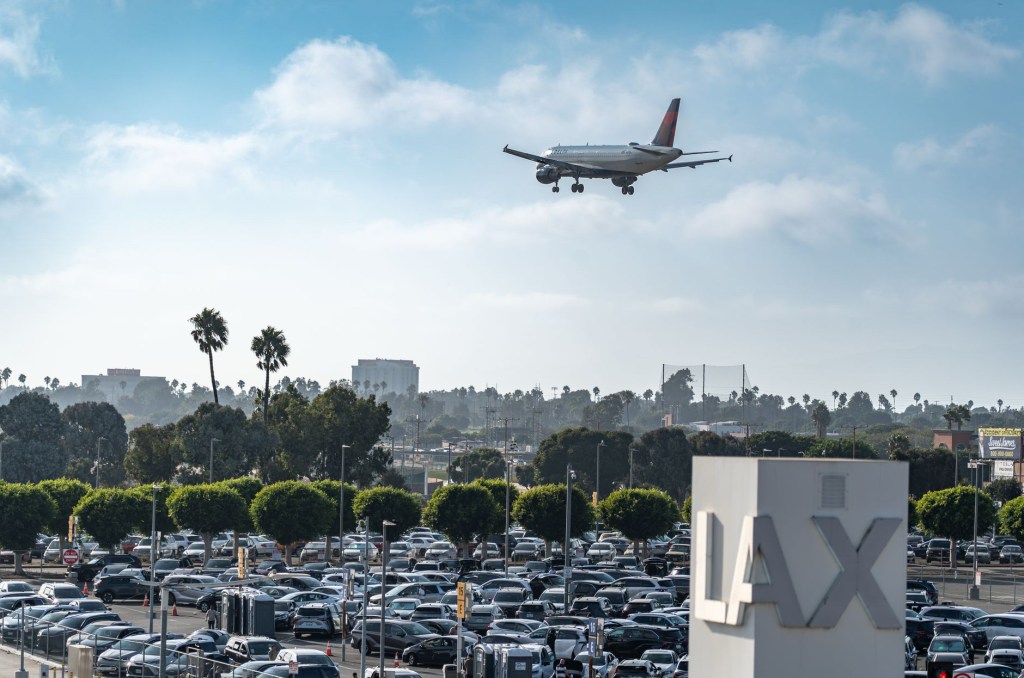
The plane landed at LAX. I made my way through immigration, collected my luggage, boarded an airport shuttle, took a bus to my car, and drove home. Each step brought me closer to familiarity.
But the trip didn’t truly feel over until I began unpacking my suitcase.
As I put away souvenirs, transit cards, and small mementos collected along the way, I realized something deeper than the fact that my vacation had ended.
The journey was over.
The experience was not.
What I was carrying home could not be folded into a suitcase or placed on a shelf.
It was something less visible.
Something internal.
Something still unfolding.
When Familiarity Returns
The following morning, life resumed its usual rhythm.
The alarm went off.
Work emails waited.
Meetings filled the calendar.
The routines I had temporarily stepped away from welcomed me back.
No more wondering which train to catch.
No more studying station maps.
No more deciding which neighborhood to explore.
No more trying to decipher unfamiliar signs.
I was home.
Yet what struck me most was how differently my mind operated while traveling.
In Tokyo and Busan, I had to pay attention.
Every station mattered.
Every platform mattered.
Every turn mattered.
My mind was fully engaged because nothing was familiar.
At home, familiarity creates a different experience. I can drive to work without consciously thinking about the route. I know where everything is. My surroundings require less attention because I have already learned them.
There is comfort in that.
There is safety in it.
But there is also a subtle invitation hidden within it.
Sometimes familiarity becomes autopilot.
And autopilot can cause us to stop noticing what is right in front of us.
Travel reminded me that presence often begins where certainty ends.
As Proverbs 3:5-6 reminds us:
“Trust in the Lord with all your heart and lean not on your own understanding; in all your ways submit to Him, and He will make your paths straight.”
While traveling, I had no choice but to trust the next step.
The challenge of re-entry is learning to trust the next step when everything feels predictable.
What the Journey Revealed
People often ask what they learned from a trip.
I think a better question is:
What did the trip reveal?
Busan did not teach me independence.
It revealed independence that was already there.
Although I traveled alongside friends at times, much of the journey required me to make decisions on my own. Which train should I take? Which route should I follow? What should I do when plans change unexpectedly?
The answers were rarely dramatic.
They were simply a series of small decisions.
And with every decision, I learned to trust myself a little more.
Tokyo revealed something different.
It reminded me that not every place that captures everyone’s attention will capture mine.
Shibuya Crossing was fascinating.
Harajuku was vibrant.
But Kagurazaka felt like home.
Its quieter streets, slower pace, and peaceful atmosphere felt aligned with something deeper inside me.
The experience reminded me that finding ourselves is often less about discovering something new and more about recognizing what already resonates with our spirit.
As Frederick Buechner once wrote:
“The place God calls you to is the place where your deep gladness and the world’s deep hunger meet.”
Sometimes a city reveals that intersection.
Sometimes a neighborhood does.
Sometimes a quiet street does.
The Presence That Travels With Us
One unexpected companion throughout this journey was AI.
I asked questions constantly.
Directions.
Train routes.
Neighborhood recommendations.
Translation help.
Problem-solving.
Most of the time it helped.
Sometimes it didn’t.
Sometimes I learned that asking better questions leads to better answers.
That lesson extends far beyond technology.
Life often works the same way.
Growth rarely comes from having every answer.
It comes from remaining curious enough to keep asking.
Even with all the tools available to us, there were still moments when I had to make the final decision myself.
No app could do that for me.
No algorithm could fully replace discernment.
No technology could substitute for experience.
And perhaps that’s true of faith as well.
We are often given guidance.
Rarely are we given certainty.
As Psalm 119:105 says:
“Your word is a lamp for my feet, a light on my path.”
A lamp does not illuminate the entire journey.
It simply reveals enough for the next step.
What I Brought Home
When people think about travel, they often think about souvenirs.
The truth is that the most meaningful things we bring home cannot be purchased.
I brought home memories.
Conversations.
Unexpected encounters.
Stories attached to train cards, receipts, photographs, and small keepsakes.
But more importantly, I brought home evidence.
Evidence that I can adapt.
Evidence that I can navigate uncertainty.
Evidence that I can make decisions without constantly second-guessing myself.
Evidence that I am capable of more than I sometimes believe.
The souvenirs remind me where I went.
The growth reminds me who I became while I was there.
As Brené Brown writes:
“Connection is why we’re here; it is what gives purpose and meaning to our lives.”
Looking back, some of my favorite memories were not landmarks or attractions.
They were moments of connection.
Conversations with friends.
Encounters with fellow ARMY from around the world.
Shared experiences with strangers who quickly felt familiar.
Connection transformed destinations into memories.
The Art of Re-Entry
A week after returning home, I found myself watching the Busan concert again.
As the music played, memories resurfaced.
Walking through train stations.
Exploring unfamiliar streets.
Meeting people from around the world.
Standing in places that only days earlier had existed as pins on a map.
For a moment, it felt impossible that only a week had passed.
The memories still felt present.
But perhaps that is what re-entry teaches us.
The goal is not to return unchanged.
The goal is not to spend our lives longing for the places we’ve left behind.
The goal is to carry forward what the journey revealed.
To bring the lessons home.
To bring the courage home.
To bring the gratitude home.
To bring the awareness home.
As Joshua 1:9 reminds us:
“Be strong and courageous. Do not be afraid; do not be discouraged, for the Lord your God will be with you wherever you go.”
Wherever you go.
Not only in foreign cities.
Not only during adventures.
Not only when life feels exciting.
Wherever you go.
Including home.
Self-Assessment Questions
As you reflect on your own season of re-entry, consider these questions:
- What experience in my life recently revealed something about myself that I had forgotten or overlooked?
- Where have I allowed familiarity to place me on autopilot instead of remaining present to what is happening around me?
- What lesson, insight, or gift am I being invited to carry forward instead of leaving behind?
Final Thoughts
Perhaps the art of re-entry is not learning how to come home.
Perhaps it is learning how to remain awake once you arrive.
Travel has a way of sharpening our awareness because everything feels new.
The challenge is carrying that same attentiveness into ordinary life.
The same attentiveness to people.
To moments.
To opportunities.
To ourselves.
And to God’s quiet presence moving through it all.
The trip may be over.
The path continues.
And maybe the greatest gift any journey can offer is helping us walk that path with a little more gratitude, a little more confidence, and a little more awareness than before.
© 2026 Amelie Chambord


Leave a Reply