What a backpack taught me about trust, control, and traveling through life
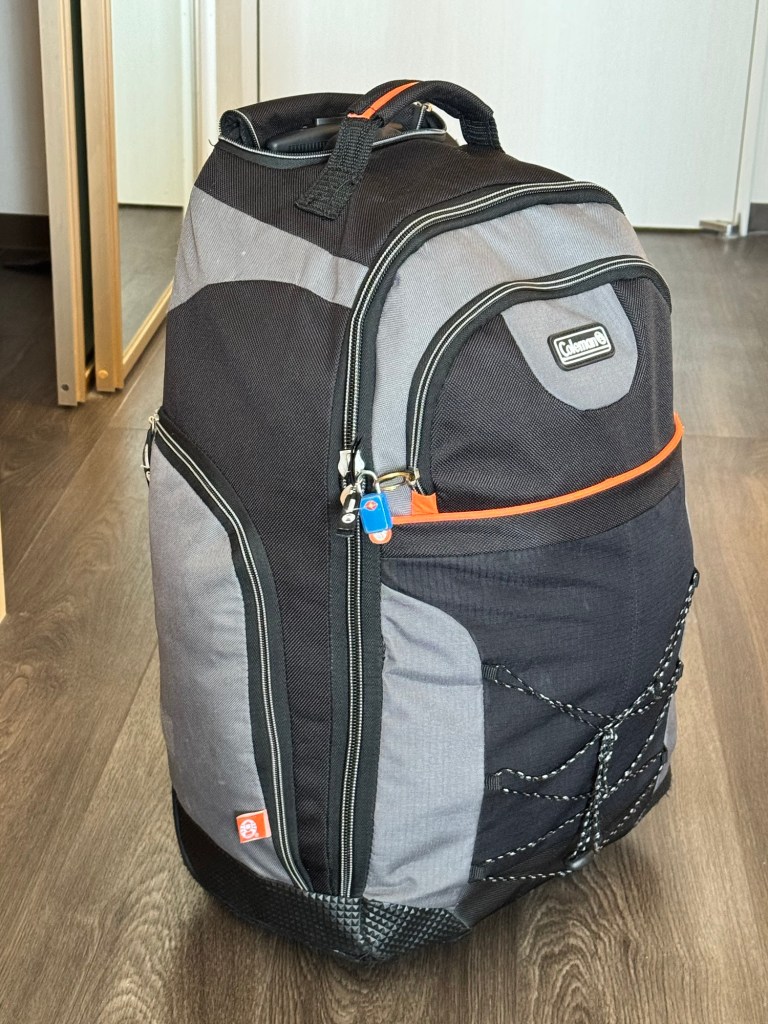
I knew my backpack was too heavy long before I admitted it.
The evidence was everywhere.
It was there when I hauled it through train stations in Seoul. It was there when I climbed stairs in Busan. It was there when I squeezed through airport lines, shifted it from one shoulder to the other, and wondered if my spine would file a formal complaint.
And yet, I kept carrying it.
The funny thing is that I packed all those things for perfectly logical reasons.
“What if I need this outfit?”
“What if my shoes get wet?”
“What if I want options?”
“What if?”
The entire backpack was built on two words: what if.
By the time I left Busan for Narita, I had reached an unavoidable conclusion: I had packed for every possible scenario except the one I was actually living.
And isn’t that how life works sometimes?
The Weight of Preparation
The morning began at 3:35 a.m. with a dream.
In the dream, an ARMY friend had invited another ARMY to help with a BTS project. She was traveling alone, and somehow we befriended her. When I woke up, I didn’t think much about it. But later, as I navigated airports, train stations, and another country by myself, I realized the dream felt strangely familiar.
I was the solo traveler.
Since June 4, I had been moving through unfamiliar cities, figuring things out as I went. Some moments were exciting. Others were stressful. There were times I felt lost, confused, and uncertain.
But somehow, I always found my way.
As the writer Amanda Lindhout once said:
“Getting lost is not a waste of time.”
Every wrong turn, missed exit, and moment of confusion became part of the education.
I learned I could handle more than I thought.
Busan, Boarding Gates, and Bad Packing Decisions
By 4:00 a.m., I was showered, dressed, and preparing for my airport shuttle.
At 5:35 a.m., the hotel called. Naturally, this happened during my final bathroom trip. Nothing motivates a traveler quite like realizing the shuttle might leave without them. I rushed downstairs and made it aboard.
At the airport, I checked my luggage because it had become too heavy to carry comfortably. Security felt slow. Immigration felt slower. I spent several minutes wondering whether I would make it to my gate.
Thankfully, I arrived five minutes before boarding. As we boarded the plane using outdoor stairs, I watched travelers wrestle their carry-on bags up the steps.
Immediately, I had a thought:
Next time, pack lighter.
Then another thought:
Seriously. Much lighter.
I had brought an extra pair of shoes I never wore. Several clothing items never left the backpack. Apparently, I packed for an alternate version of myself who attended formal galas between BTS-related adventures.
She never showed up.
Arriving in Narita
After landing in Narita, I faced the next challenge: figuring out transportation.
Fortunately, my hotel offered a shuttle service. I loaded my Suica IC card, found the correct bus stop, boarded the hotel shuttle, dropped off my luggage, and headed toward Tokyo to meet my local Japanese friend.
There was one small hiccup. After getting off the Narita Express, my Suica IC card refused to let me exit the station. I stood there staring at the gate as if mutual confusion might solve the problem.
A station attendant eventually helped me through. Later, I discovered I had tapped the wrong card. The card I used had a balance of exactly zero. A humbling reminder that technology isn’t always the problem. Sometimes the user is.
Seeing Tokyo Through Someone Else’s Eyes
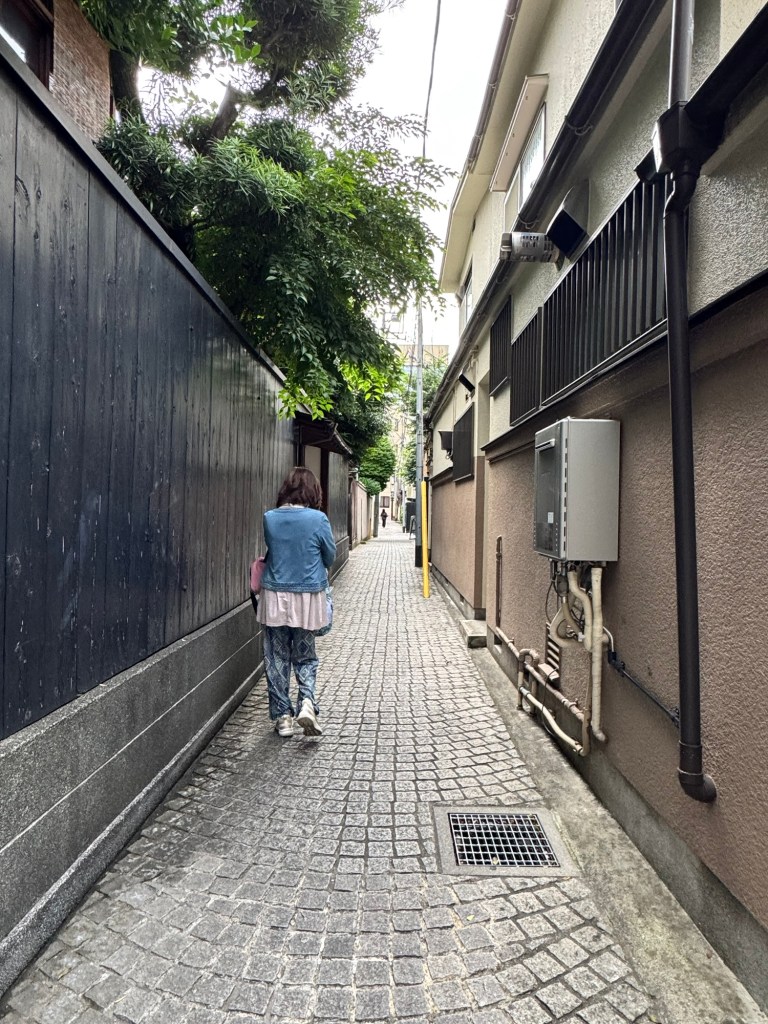
The highlight of the day wasn’t a landmark or a shrine or a famous attraction. It was walking through Kagurazaka with my friend. She showed me her favorite bakery, her grocery store, her clothing shops, and the places she frequents in the neighborhood she has called home for twenty-five years.
Travel guides show you what a city looks like. Friends show you how a city lives.
For nearly four hours, we wandered through streets lined with bakeries, coffee shops, bookstores, temples, and quiet corners that felt far removed from Tokyo’s reputation for busyness.
I realized something important. The most meaningful parts of travel often aren’t found on an itinerary. They’re found in relationships.
What the Backpack Was Really About
Somewhere between Busan and Narita, I realized my backpack wasn’t just full of clothes. It was full of assumptions.
Assumptions that I needed more.
Assumptions that I needed backup plans for my backup plans.
Assumptions that preparedness meant carrying everything myself.
Yet every day of this trip taught me the opposite.
Help appeared.
Solutions appeared.
People appeared.
The path appeared.
Jesus’ invitation in Matthew 11:28 suddenly felt less theoretical and more practical:
“Come to me, all you who are weary and burdened, and I will give you rest.”
The burden isn’t always emotional. Sometimes it’s hanging from your shoulders. Sometimes it’s both.
As author Courtney Carver writes:
“The lighter you travel, the more present you become.”
I think that’s true for luggage.
And for life.
Soul Insights
1. Confidence Is Built Through Repetition, Not Certainty
I kept waiting to feel completely confident before navigating train stations and airports. That feeling never arrived. Instead, confidence grew after each challenge I successfully handled. Every transfer, every ticket machine, and every wrong turn became evidence that I could figure things out. Confidence wasn’t the starting point. It was the result.
2. Most of What We Carry Never Gets Used
I carried clothes I never wore and shoes I never needed. How often do we do the same emotionally? We carry worries that never happen, fears that never materialize, and responsibilities that were never ours to begin with. The trip reminded me that preparation has value, but over-preparation often becomes a burden.
3. Asking for Help Is a Strength
The station attendant who helped me through the gate wasn’t a sign of failure. He was part of the journey. Solo travel doesn’t mean doing everything alone. It means learning when to seek guidance. There is wisdom in independence, but there is also wisdom in accepting kindness.
4. God Often Appears Through Ordinary People
Throughout this trip, I kept asking myself where God was. Looking back, I see Him everywhere. In the kindness of strangers. In unexpected conversations. In timely assistance. In friendships that made foreign places feel familiar.
As Galatians 6:2 reminds us, “Carry each other’s burdens, and in this way you will fulfill the law of Christ.”
5. Trust Creates Space for Wonder
When we try to control everything, we leave little room for surprise. This trip repeatedly placed me in situations I couldn’t fully plan for. Yet many of my favorite moments emerged from uncertainty. Trust didn’t remove the unknown; it allowed me to experience it without fear.
Traveling Lighter
By the time I returned to my hotel that evening and sat down to a simple dinner of beef curry, I knew one thing for certain.
Next time, I am packing half as much. Maybe less. Not because I want to be minimalist for minimalism’s sake. But because this trip taught me something deeper.
Isaiah 26:3 says:
“You will keep in perfect peace those whose minds are steadfast, because they trust in you.”
Peace isn’t found in carrying everything. Peace is found in trusting that what you need will be there when you need it. The backpack taught me that. The journey confirmed it. Somewhere between Busan and Narita, I began believing it.
Final Thoughts
The heaviest things we carry are rarely the items in our luggage. They’re the expectations, fears, contingency plans, and invisible burdens we insist on managing ourselves.
My backpack became a daily reminder that I had packed for every possible version of the future except the present moment. Yet the present moment kept taking care of me.
People helped.
Doors opened.
Solutions appeared.
Friendships deepened.
And God showed up in ways that were quiet enough to miss if I wasn’t paying attention. Perhaps traveling light isn’t really about luggage. Perhaps it’s about trust.
Your Turn
What are you carrying right now that no longer belongs in your backpack?
A fear?
An expectation?
A burden you’ve been dragging from one season into the next?
Take a moment today and ask yourself:
If I trusted God a little more, what could I finally put down?
You might discover that the journey becomes lighter the moment you do.
© 2026 Amelie Chambord


Leave a Reply