What Concert Highs Don’t Prepare You For
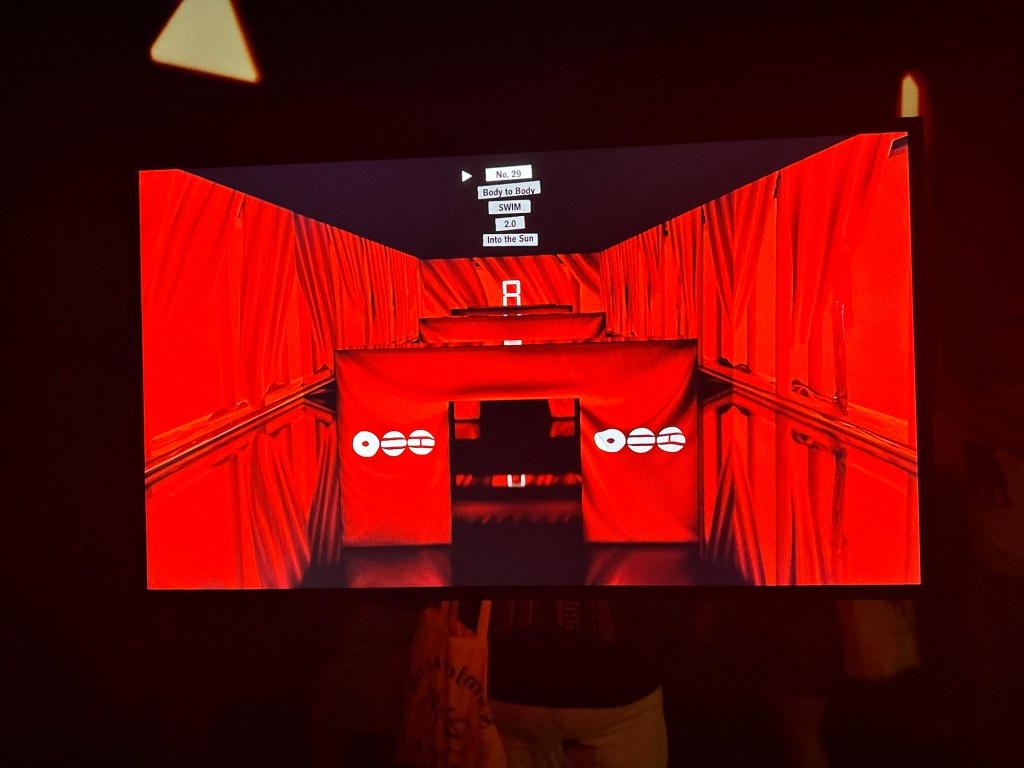
Nobody talks enough about the emotional hangover that happens after a concert.
Not the Instagram version.
Not the “post-concert depression” memes.
I mean the real thing.
The strange emotional whiplash of going from fireworks, screaming crowds, synchronized fan chants, flashing lights, emotional catharsis, and thousands of people collectively feeling the exact same thing… straight back into cutting vegetables alone in your apartment on a Monday night.
One moment you are spiritually ascending in a stadium with 60,000+ strangers. Three days later, you are coughing up phlegm while trying to remember if you mailed your ballot.
Human beings were never designed for emotional extremes this close together.
Vegas still hadn’t fully left my nervous system when Monday arrived. My body woke up congested, exhausted, and demanding rest like an overworked employee finally filing a formal complaint. Between Stanford, Vegas, lack of sleep, work, school, and preparing for Japan in the same week, my immune system basically sent me an HR escalation notice.
And yet, mentally, I was still inside the stadium.
Even my dreams hadn’t fully moved on. I woke up with fading remnants of a dream involving Jimin — not a fully coherent dream, just emotional residue. Like my subconscious was still trying to process all the light, sound, adrenaline, beauty, and collective emotion from the past week.
There’s a verse in Scripture that says:
“Be still, and know that I am God.” — Psalm 46:10
But stillness becomes strangely difficult after collective euphoria. Your body returns home before your spirit does.
And nobody warns you about that part.
The BTS Rabbit Hole Is Real
Monday morning started with a phone call from a former coworker laughing about how her sister had suddenly become ARMY and was now calling nonstop asking questions about BTS.
Honestly, this phenomenon fascinates me every single time.
People think they’re casually “checking out a few songs,” and suddenly they’re learning Korean names, watching interview compilations at 2 a.m., emotionally attached to seven men they’ve never met, and debating airport fashion like it’s geopolitical analysis.
BTS does not enter people’s lives quietly.
And maybe the reason is because sincerity is rare now.
We live in an era of irony, emotional detachment, curated coolness, and people pretending not to care about anything too deeply. Then BTS shows up talking openly about loneliness, longing, self-worth, vulnerability, dreams, fear, healing, and connection — all while performing with Olympic-level precision.
That combination hits people harder than they expect.
As writer Ocean Vuong once said:
“The most powerful thing in the world is softness.”
I think that’s part of what people are actually responding to.
Not just talent.
Permission.
Permission to feel deeply again.
The Silence After the Stadium
Later that afternoon, I drove to Sweet Wheat in Culver City — which is quickly becoming one of my emotional support bakeries.
I ordered two pain au chocolat, two canelés, an iced coffee, and a croque monsieur sandwich. The total came out to around $41 after tip, which briefly caused me to enter a silent economic crisis while standing at the register.
Apparently emotional recovery now costs artisan pastry prices.
Still, I stayed.
And honestly, I needed that pause more than I needed the money.
After emotionally intense experiences, ordinary spaces begin to feel sacred. Cafés. Grocery stores. Quiet drives. Folding laundry. Small rituals suddenly become emotional decompression chambers.
Because the contrast is disorienting.
Days earlier:
- fireworks exploding overhead
- synchronized fan chants
- thousands screaming lyrics together
- emotional overstimulation at maximum capacity
Now:
- iced coffee
- coughing
- folding laundry
- cutting vegetables for Tuesday morning breakfast
- staring at a suitcase while mentally calculating international travel logistics
It felt surreal.
Ecclesiastes 3:1 says:
“To everything there is a season, and a time to every purpose under heaven.”
Maybe that includes emotional seasons too.
There is a time for collective joy.
And there is a time for quiet recovery afterward.
Your Body Eventually Collects the Debt
One thing adulthood keeps teaching me is that the body always keeps score.
You can override exhaustion temporarily with adrenaline, excitement, caffeine, deadlines, travel plans, and emotional stimulation. But eventually your body submits the invoice.
Mine certainly did.
I kept thinking about how Japan was suddenly only days away. Monday was already ending, which meant I only had Tuesday and Wednesday left before flying out Thursday morning.
The trip no longer felt distant.
It felt immediate.
At the same time, my brain was jumping between:
- unfinished IMC slides
- BTS memories
- future travel logistics
- Arlington concert possibilities in August
- work
- school
- packing
- recovery
Mentally, it felt like having 37 browser tabs open simultaneously while one of them played music you couldn’t locate.
There’s a quote that says:
“The soul usually knows what to do to heal itself. The challenge is to silence the mind.” — Caroline Myss
But I think modern life often skips the middle part — the pause necessary to actually process where we’ve been before rushing toward what’s next.
And that pause matters.
Soul Insights
1. Collective joy heals parts of us we didn’t realize were starving.
There is something deeply human about singing alongside thousands of strangers who all understand the same emotional language at the exact same time. It temporarily dissolves loneliness in a way modern life rarely allows. We spend so much of adulthood emotionally isolated behind screens, schedules, and performance identities. Moments of collective joy remind us that we were designed for shared emotional experiences, not constant emotional self-containment. Sometimes the soul doesn’t need productivity. Sometimes it needs communion.
2. Emotional overstimulation can disguise itself as fulfillment.
Not every intense experience is automatically restorative. Sometimes our nervous systems confuse adrenaline for nourishment. Concerts, travel, social immersion, and nonstop stimulation can create emotional highs so powerful that the crash afterward feels physically disorienting. That doesn’t mean the experience wasn’t meaningful — it simply means human beings require recovery after intensity. Even joy needs integration.
3. Ordinary routines become sacred after emotional extremes.
Folding laundry after Vegas felt strangely grounding. Cutting vegetables became a form of emotional re-entry. Quiet cafés suddenly felt therapeutic. There is a hidden spirituality inside ordinary rituals that only becomes visible after chaos or overstimulation. Sometimes healing doesn’t happen through grand breakthroughs. Sometimes it happens through small acts that slowly teach the nervous system it is safe again.
4. The body is often more honest than the mind.
My mind wanted to keep moving toward Japan, future concerts, projects, deadlines, and plans. My body wanted sleep, hydration, medicine, and stillness. The older I get, the more I realize the body often reveals truths the mind tries to negotiate away. Exhaustion is not weakness. Sometimes it is wisdom with symptoms.
5. Time feels faster when life becomes emotionally fragmented.
Part of why Monday disappeared so quickly is because my attention was psychologically split across multiple realities at once — Vegas memories, current exhaustion, Japan preparation, future possibilities, unfinished responsibilities. Modern adulthood often feels like existing in several timelines simultaneously. That fragmentation creates the illusion that life is accelerating uncontrollably. Presence becomes difficult when the mind is constantly rehearsing the next destination before emotionally arriving in the current one.
Final Thoughts
By the time I finally attempted to sleep, it was already 1:43 a.m. on Tuesday morning.
Again.
My Monday had spilled into Tuesday the same way Vegas had spilled into Los Angeles — emotionally unfinished, still echoing inside me.
And maybe that’s the real truth nobody prepares you for after concerts, festivals, or emotionally transcendent experiences:
The hardest part is not leaving the stadium.
It’s learning how to return to ordinary life afterward without feeling emotionally disconnected from yourself.
Maybe recovery is not about “getting over” beautiful experiences.
Maybe it’s about learning how to carry their light into quieter rooms.
Even the ordinary ones.
As Matthew 11:28 reminds us:
“Come to me, all who are weary and burdened, and I will give you rest.”
Not escape.
Rest.
There’s a difference.
Your Turn
Have you ever experienced emotional whiplash after a concert, trip, conference, retreat, or major life event?
What helped you reconnect with ordinary life afterward?
Leave a comment, share your experience, or send this to someone currently recovering from a beautiful weekend they emotionally haven’t returned from yet.
© 2026 Amelie Chambord


Leave a Reply