
What makes a good leader?

If someone asked me to define a good leader, I would not start with a title, a corner office, or a loud presence in the room. I would point to Kim Namjoon, better known as RM, the leader of BTS. Not because he is famous, but because fame never became his personality. Leadership, in his hands, looks like responsibility without ego and influence without domination.
Namjoon leads the way great leaders always do. From the inside out. Watching him over the years has felt like watching someone grow in real time while refusing to outgrow humility. He carries weight without making it heavy for others, and that distinction matters more than most leadership manuals admit.
Leadership That Starts With Character
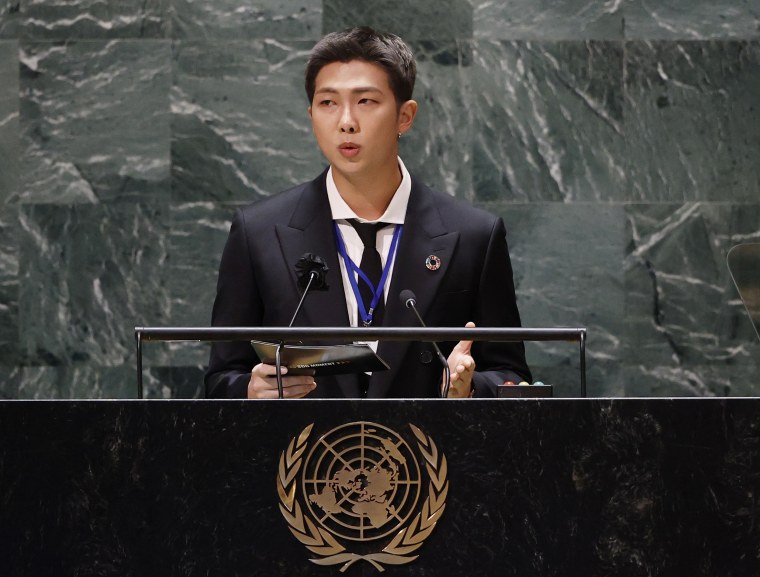
A good leader leads by example, and Namjoon does this consistently. He takes ownership when things go wrong instead of deflecting blame. He speaks thoughtfully, even when silence would be easier or safer. His intelligence never becomes condescension, and his authority never becomes control.
One of the most striking things about his leadership is how he creates space for others to shine. Each member of BTS has room to be fully themselves because the leader never competes with the people he is meant to serve. As Lao Tzu once wrote, “A leader is best when people barely know he exists, but when his work is done, they will say, ‘We did it ourselves.’” That line fits Namjoon with uncanny precision.
Scripture echoes this kind of leadership. Proverbs 16:32 reminds us that patience and self-mastery outrank brute strength, and leadership rooted in restraint always lasts longer than leadership fueled by force. Namjoon embodies this not as a concept, but as a daily practice.
Humility That Holds the Center

What separates good leaders from unforgettable ones is humility under pressure. Namjoon has made mistakes publicly, corrected himself publicly, and grown publicly. That kind of transparency builds trust, not weakness. He understands that leadership is not about perfection, but about accountability.
Fame could have easily hardened him or insulated him, but instead it sharpened his awareness of responsibility. He listens. He learns. He evolves. As Brené Brown once said, “Clear is kind. Unclear is unkind.” Namjoon’s communication reflects this clarity, even when conversations are difficult.
Philippians 2:3 urges leaders to value others above themselves, and this value system is visible in how he consistently deflects praise back to the group. Leadership becomes believable when humility is not performative. His never is.
Soul Insights
1. Leadership begins before anyone is watching.
The foundation of real leadership forms in private choices long before public recognition arrives. Integrity practiced offstage determines credibility onstage. Namjoon’s consistency reveals discipline when no applause is guaranteed. That steadiness creates trust that cannot be manufactured. People follow leaders whose lives align with their words.
2. Accountability builds authority, not fear.
Owning mistakes strengthens leadership rather than diminishing it. When leaders model responsibility, they give others permission to grow without shame. Namjoon’s willingness to self-correct reinforces mutual respect within his group. Authority grounded in honesty always outlasts authority rooted in image. Trust grows when leaders refuse to hide.
3. A good leader protects the room, not their ego.
Leadership is less about being heard and more about listening well. Creating space for others to speak is a powerful act of confidence. Namjoon allows each member’s voice to remain distinct rather than overshadowed. That balance fosters collaboration instead of competition. Strong leaders make the room safer, not smaller.
4. Growth is a leadership responsibility.
Stagnant leaders eventually block progress for everyone behind them. Personal growth keeps leadership flexible and responsive. Namjoon’s visible evolution shows a commitment to learning rather than defending past versions of himself. James 1:19 reminds us to be quick to listen and slow to speak, a posture he practices often. Leaders who keep learning stay relevant without chasing relevance.
5. Leadership is service, not performance.
The most compelling leaders do not need constant validation. They measure success by collective impact rather than individual recognition. As Martin Luther King Jr. once said, “Everybody can be great because anybody can serve.” Namjoon’s leadership reflects this truth through action, not slogans. Service-centered leadership leaves lasting fingerprints long after titles fade.
Final Thoughts
A good leader does not need to announce themselves as one. Their presence steadies people. Their decisions create clarity. Their humility builds something larger than their own name.
Jesus framed leadership the same way in Matthew 20:26 when He said that whoever wants to lead must serve. That principle never expires, no matter the industry or generation. Namjoon simply lives it in real time.
If leadership ever feels confusing, watch how someone treats responsibility when no one is clapping. That is where the truth always shows up.
Your Turn
Who has shaped your understanding of leadership through their character, not their status? Pay attention to the leaders who make you feel capable rather than controlled. Then ask how you can lead that way in your own sphere.
An Invitation
If this reflection resonates, my book 17 Syllables of Me explores leadership of the soul through faith, memory, and becoming. It might meet you right where you are.

© 2026 Amelie Chambord

 Soul Path Insights
Leave a comment