I used to think calm was personality.
Turns out, it’s positioning.
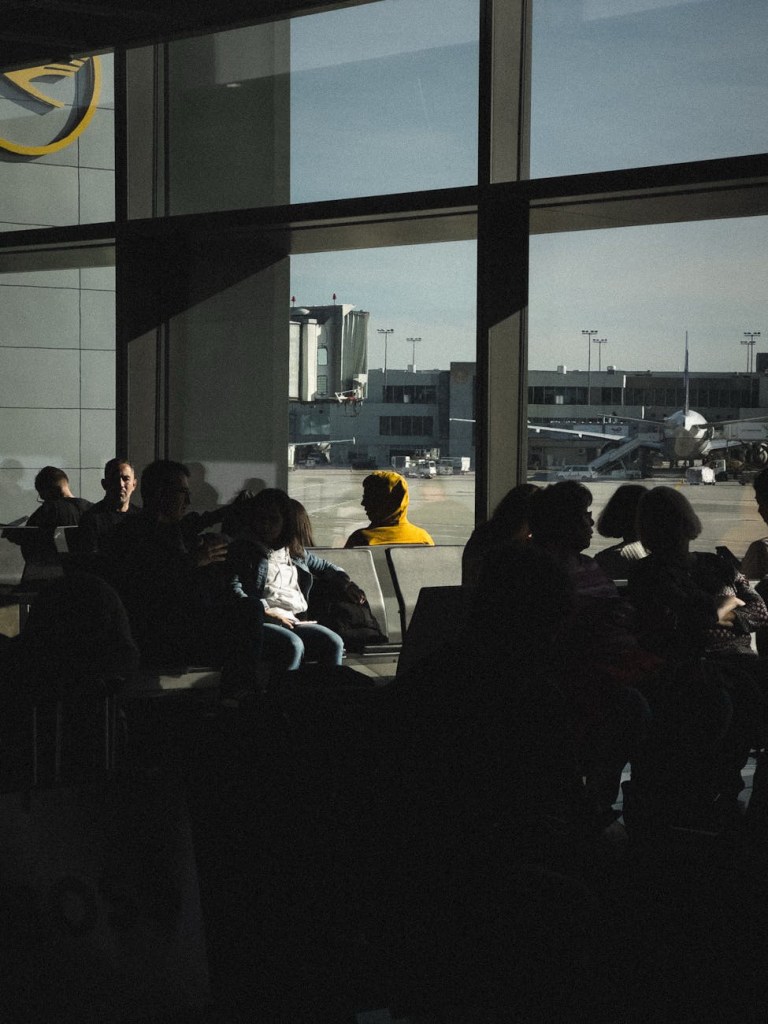
Three hours early at the airport. Phone glitch handled without dramatic upgrades. Housing shifts evaluated instead of internalized. Dress hemmed instead of outsourced. Sleep protected before travel.
None of that trends. None of it photographs well.
Yet calm keeps winning.
In a culture that rewards speed, visibility, and escalation, steadiness feels almost rebellious. And lately I have started to see it clearly. Calm is not passive. Calm is strategic.
Slow Is Strong
Scripture says in Proverbs 14:29, “Whoever is slow to anger has great understanding, but he who has a hasty temper exalts folly.” Haste advertises insecurity. Slowness communicates control.
James 1:19 instructs us to be “quick to hear, slow to speak, slow to anger.” That rhythm builds authority. Listening first preserves clarity. Speaking second protects influence.
History proves this pattern. Consider Henry VIII. Impulse reshaped marriages, politics, and national religion. Reaction can alter history. It rarely stabilizes it.
Morgan Housel writes, “The ability to do what you want, when you want, with who you want, for as long as you want, has an infinite ROI.” That freedom grows from steadiness.
Steadiness is leverage.
Regulation Builds Range
Isaiah 40:31 says, “But they who wait for the Lord shall renew their strength.” Waiting renews. Reacting depletes.
Calm protects energy.
Brené Brown writes, “Clear is kind. Unclear is unkind.” Regulation sharpens clarity. Clarity protects decisions.
When something glitches, breaks, or shifts, calm buys time. Time invites discernment. Discernment preserves resources.
Range increases when you are not governed by impulse.
Soul Insights
1. Calm Preserves Authority
Authority erodes when emotions spike publicly. A steady tone in tense moments communicates internal security. When you pause before responding, you shift from being managed by the moment to managing it. Others sense that steadiness and instinctively recalibrate their own intensity. Authority grows quietly when regulation leads.
2. Reaction Shrinks Perspective
Impulse narrows your field of vision to what feels urgent. Calm widens the frame and allows context to surface. Context reveals patterns, motives, and long-term consequences. When perspective expands, options multiply. Strategic movement becomes possible only when you see beyond the immediate spark.
3. Waiting Strengthens Emotional Muscle
Patience feels inactive on the surface, yet it trains resilience underneath. Each moment of restraint builds endurance. Endurance strengthens discernment and timing. Strength accumulated in private restraint becomes visible during public pressure. Calm becomes reflex through repetition.
4. Energy Is Strategic Currency
Escalation drains emotional and cognitive reserves. Calm conserves those reserves for decisions that truly matter. Conserved energy fuels creativity, leadership, and thoughtful expansion. When energy is managed intentionally, capacity increases. Capacity allows you to carry more without collapsing.
5. Steadiness Signals Security
Security does not chase urgency. Security evaluates before moving. When you operate from steadiness, you communicate that your foundation is intact. Others respond differently to grounded presence. According to your faith, steadiness either positions you for influence or forfeits it.
Final Thoughts
Calm is not aesthetic.
Calm is advantage.
In a world sprinting toward noise, steadiness creates contrast. Contrast builds influence. Influence opens doors that panic never could.
Isaiah 40:31 promises renewed strength for those who wait. Waiting is reinforcement.
Win by not wobbling.
Your Turn
Where are you reacting instead of regulating?
What conversation would shift if you slowed down first?
How would your next decision look if steadiness led it?
Pause.
Then move.
© 2026 Amelie Chambord

 Soul Path Insights
Leave a comment