Do you need a break? From what?

Life rarely shouts when it steals creative breath. It whispers through errands, emails, routines, and responsibilities that pile up like folded laundry waiting to be sorted. Days stay productive, full, even meaningful, yet imagination starts pacing inside a crowded room. The question surfaces gently. Do you need a break? The deeper question answers back with clarity. A break from weight, from compression, from days sealed shut with obligation.
Creativity lives best where space exists. Scripture reminds me that “The Lord gives rest to his beloved” (Psalm 127:2), framing rest as provision rather than reward. Breaks carry intention when they restore vision instead of avoiding responsibility. This kind of pause clears fog, stretches inner muscles, and lets curiosity step forward again. As writer Pico Iyer once observed, “In an age of acceleration, nothing can be more exhilarating than going slow.”
The Hidden Cost of Full Days
Daily tasks carry dignity. They keep life running and structure steady. Yet when every margin fills, creativity loses oxygen. What once felt grounding begins to feel heavy, a signal asking for recalibration.
Ecclesiastes offers wisdom here, saying there is “a time to be still and a time to move” (Ecclesiastes 3:7), reminding life thrives through rhythm rather than relentless motion. Breaks protect that rhythm. They honor humanity rather than productivity alone. They keep the soul supple instead of strained.
Rest That Restores Vision
A true break carries purpose. It creates room for imagination to wander and reconnect dots scattered by busyness. Curiosity wakes up when time loosens its grip, when the future is given space to take shape inwardly before it ever appears outwardly, echoing Rilke’s insight that “the future enters into us, in order to transform itself in us, long before it happens.”
Isaiah captures the promise beautifully: “Those who hope in the Lord will renew their strength” (Isaiah 40:31). Renewal flows through alignment rather than escape. A break like this refocuses attention toward what matters, sharpening vision for the work ahead. Responsibility remains present, yet perspective shifts into clarity.
Soul Insights
1. Breaks reveal pressure points.
A pause exposes where life feels compressed. Patterns surface that routine often hides. Awareness arrives without force. Reflection replaces reaction. Insight emerges as an ally rather than a critic.
2. Creativity responds to spaciousness.
Ideas stretch when time softens. Inspiration enjoys breathing room. Playfulness returns through openness. Curiosity thrives in unscheduled moments. Space becomes an invitation rather than a void.
3. Rest carries spiritual alignment.
Scripture frames rest as wisdom, never weakness. Trust deepens when striving loosens. Faith grows through surrender of constant motion. Renewal flows from connection. Vision sharpens through still presence.
4. Responsibility benefits from rest.
A rested mind engages tasks with clarity. Perspective refines decision making. Energy circulates rather than drains. Purpose feels lighter without losing seriousness. Work gains depth through renewed vision.
5. Breaks shape longevity.
Sustainable creativity depends on rhythm. Burnout thrives where pauses disappear. Long obedience requires spacious seasons. Vision stays vibrant through care. Rest protects calling across decades.
Final Thoughts
A break carries sacred intention when it restores rather than avoids. It honors creative design, spiritual rhythm, and emotional capacity. Life continues, yet vision clears and imagination stretches again. Even brief pauses hold power when chosen with awareness. Rest becomes a quiet collaborator shaping future work.
Your Turn
Which daily rhythms currently compress creative space?
Where could a small pause invite curiosity back into the day?
How might rest strengthen responsibility rather than weaken it?
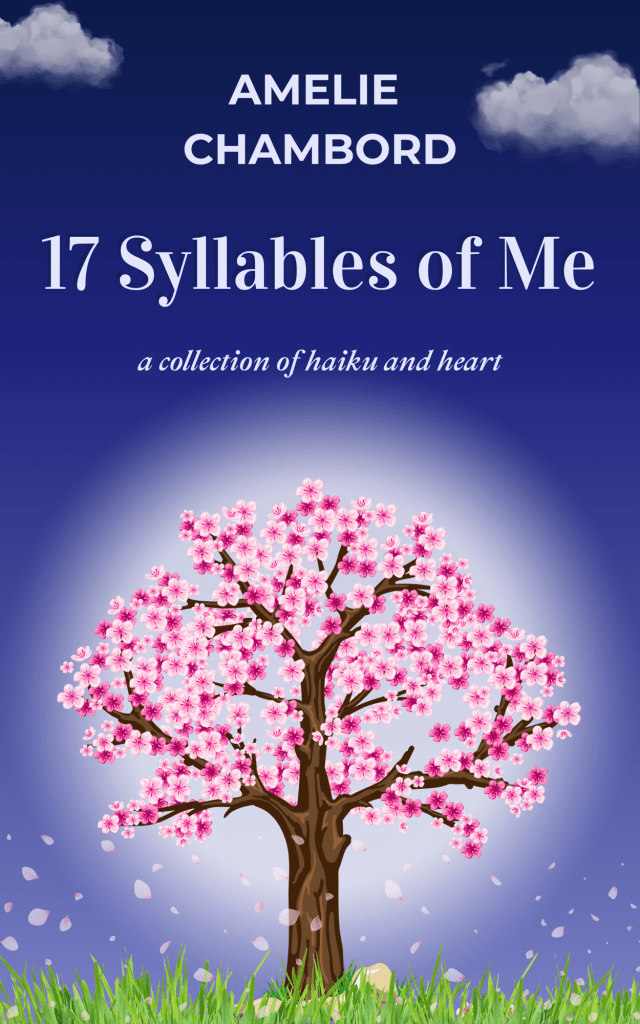
A gentle reminder that slowing down shapes how life unfolds. Also, if reflective writing feeds your soul, 17 Syllables of Me waits quietly on the shelf, ready when you are.
© 2026 Amelie Chambord

 Soul Path Insights
Leave a comment