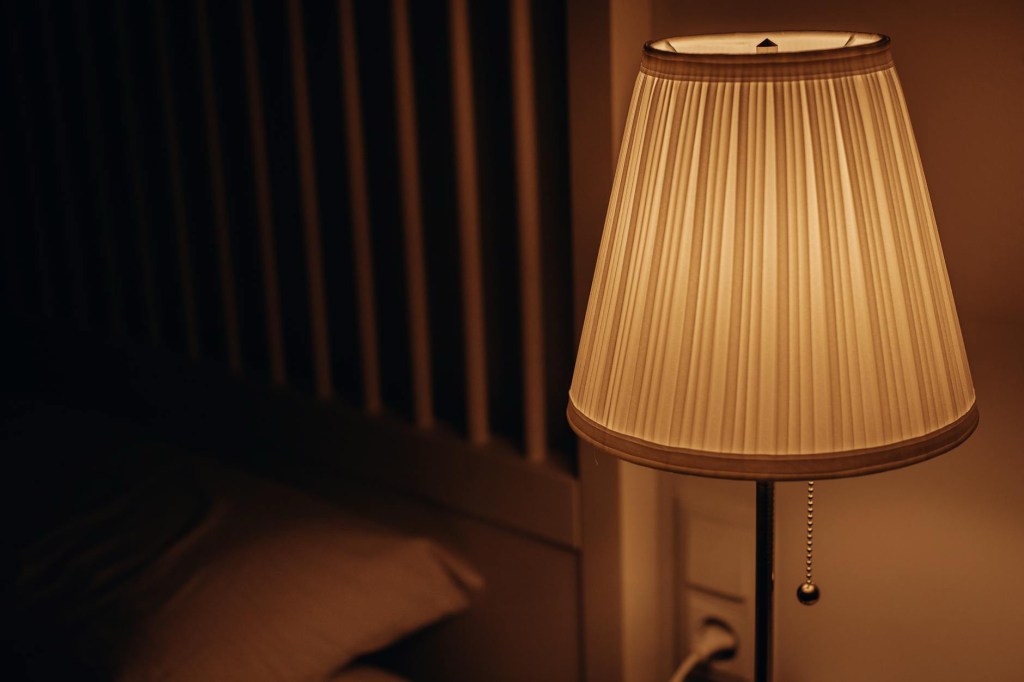
Rest gets hardest at the end of the day.
One more task whispers for attention, and the mind keeps a running list. The body is ready to stop, but the urge to finish something feels louder. This reflection names rest as a choice that pushes back against pressure. Sometimes the bravest thing left to do is nothing at all.
When Doing One More Thing Feels Necessary
The end of the day is when rest feels most difficult for me. Something in my mind insists I should complete one more thing before bed. That insistence often sounds like productivity, but it carries pressure underneath. Culture and internal expectations reinforce the idea that stopping means wasting time. Rest becomes resistance when usefulness tries to define worth.
Psalm 23 speaks gently into that moment, reminding me that God leads me beside still waters and restores my soul. Rest is not an interruption to life with God. It is part of how restoration happens. Writer Tricia Hersey observes, “Rest is a form of resistance because it disrupts the lie that we are machines.” Choosing rest pushes back against that lie.
What Rest Protects and Restores
When I finally allow myself to rest, my body responds immediately. A sigh of relief moves through me, almost without permission. Doing nothing and sleeping restore me more than structured rest ever could. Being, not achieving, repairs what pressure erodes.
Jesus invites us into that posture when He says, “Come to me, all you who are weary and burdened, and I will give you rest” (Matthew 11:28). Rest protects me from burnout, resentment, and depletion. Poet Mary Oliver once wrote, “You only have to let the soft animal of your body love what it loves.” Rest lets the body return to honesty.
Soul Insights
1. Rest becomes hardest when the day feels unfinished.
The urge to do one more thing grows louder at night. Productivity disguises itself as responsibility. The body asks to stop while the mind keeps negotiating. That tension reveals what I value. Rest challenges the idea that finishing equals worth.
2. Busyness often tries to prove usefulness.
Staying busy can feel like evidence of growth or contribution. A quiet fear suggests that stopping means taking up space. Culture and internal pressure reinforce that belief. Rest interrupts that narrative. Worth does not require constant output.
3. The body recognizes relief immediately.
When rest is allowed, the body responds with a sigh. Tension releases without explanation. Relief settles in before thoughts catch up. The body knows when it is safe. Listening to that response builds trust.
4. Doing nothing can be deeply restorative.
Rest that restores me involves not doing anything at all. Sleep and stillness repair what effort cannot. Silence becomes medicine. Being replaces striving. Restoration follows simplicity.
5. Rest protects what pressure erodes.
Burnout, resentment, and depletion creep in quietly without rest. Resistance through rest guards against those outcomes. Psalm 23 reminds me that restoration is guided, not forced. Rest keeps the soul intact. Choosing rest preserves what matters.
Final Thoughts
Rest is not what happens when everything is finished.
It is what happens when I choose to stop anyway.
Resistance sometimes looks like closing the day gently.
Your Turn
What does your mind try to convince you to do before rest?
What might happen if you stopped one task earlier tonight?
A Gentle Companion
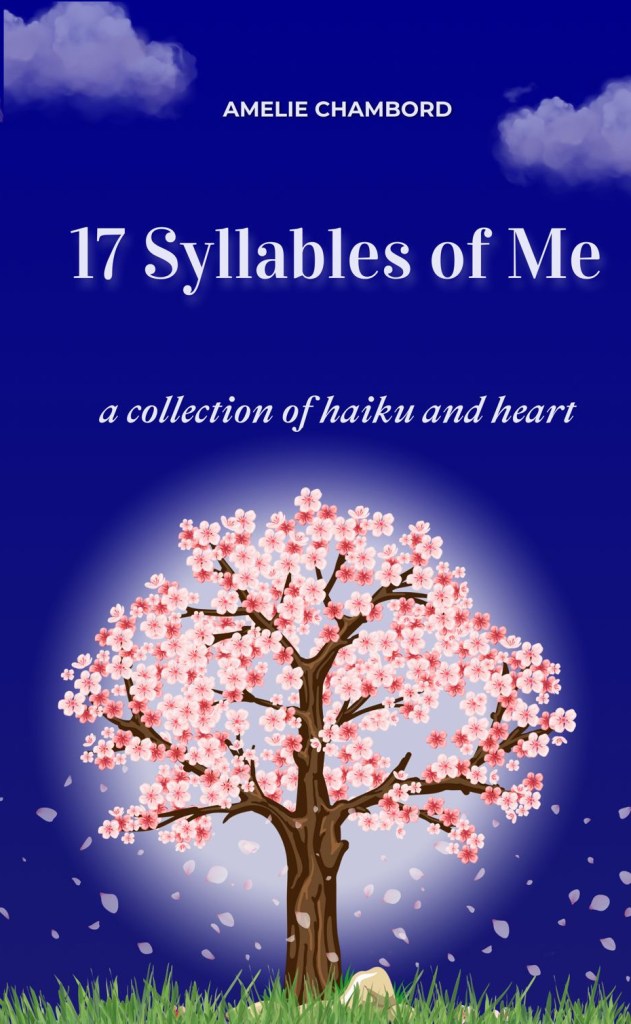
If this reflection resonates, 17 Syllables of Me was written from the same posture of choosing stillness. Each poem offers a small pause, a breath, and a reminder that rest belongs in everyday life. It is a quiet companion for evenings that need permission to end.
© 2026 Amelie Chambord

 Soul Path Insights
Leave a comment