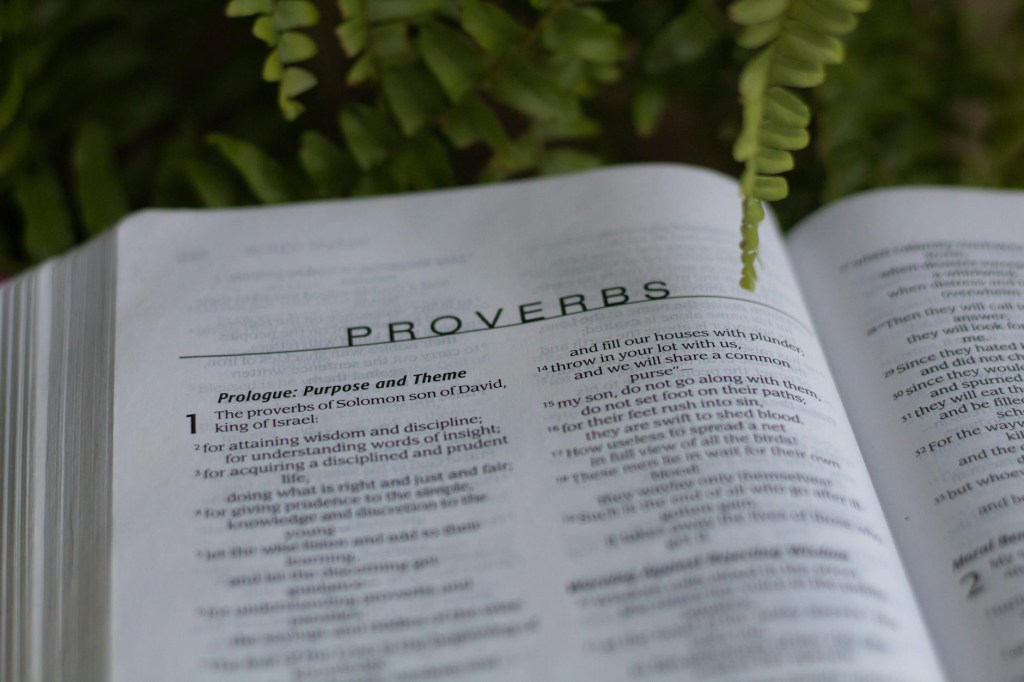
Psalm 46:10
“Be still, and know that I am God.”
Sunday arrives with a different kind of invitation.
Not to do more.
Not to sort everything out.
But to listen.
As the year re-enters its rhythm, I notice how quickly noise tries to take the lead. Plans. Analysis. Meaning-making. Yet beneath all of that, there is already a voice steady enough to guide the day if I let it.
When Scripture Is the Loudest Voice
The loudest voice in my life right now is Scripture. Verses surface throughout the day, unannounced but timely. They guide my thinking, shape my prayers, and often interrupt my assumptions. I do not experience God’s voice as distant or rare. It is woven into the ordinary, steady and present.
Psalm 119 says, “Your word is a lamp for my feet, a light on my path” (Psalm 119:105). A lamp does not flood the whole road with light. It gives just enough for the next step. That feels true to how God speaks to me, moment by moment, verse by verse.
The poet Mary Oliver once wrote, “Attention is the beginning of devotion.” Listening begins not with effort, but with attention already offered.
Listening Without Rushing to Interpret
I believe God listens to me all the time. In freeway prayers. In small requests. In moments as ordinary as looking for parking. I want Him involved in everything I do, the way a daughter wants her father present in her life. Not only for answers, but for companionship.
Often, what interrupts listening is not noise but analysis. I rush to interpret, decode, and assign meaning. I want to understand intention immediately instead of letting words settle. Yet Scripture reminds me, “Everyone should be quick to listen, slow to speak” (James 1:19). Listening sometimes asks me to pause my inner commentary.
Spiritual writer Henri Nouwen once observed, “Listening is a form of spiritual hospitality by which you invite strangers to become friends.” Even God’s voice deserves that kind of space.
Soul Insights
1. God’s voice often arrives already integrated into daily life.
I do not experience God’s voice as something I have to strain to hear. Scripture surfaces naturally throughout my day, guiding my thoughts and gently redirecting my posture. These verses do not arrive with urgency. They arrive with steadiness. Listening begins when I recognize that God has already been speaking long before I pause to notice.
2. Feeling listened to by God shapes how I pray.
I speak freely because I trust that God is attentive to every part of my life, even the small and ordinary moments. Prayer becomes less about wording things correctly and more about staying connected. I involve Him in freeway prayers, everyday decisions, and quiet requests. That ongoing conversation builds intimacy, not anxiety.
3. Mornings reveal what has my first attention.
I notice my dreams before I notice my to-do list. Sometimes gratitude follows naturally. Other times, my phone interrupts the quiet. The order of those moments matters more than I often admit. What I give my first attention to quietly sets the tone for how I listen the rest of the day.
4. Analysis can crowd out attentiveness.
My instinct is to interpret quickly, to analyze meaning, intention, and outcome. While discernment is valuable, it can rush the listening process. True listening often asks me to stay present longer than is comfortable. Understanding does not always arrive immediately, and that is not a failure of faith.
5. Presence is often what God asks me to notice.
God does not always ask me to fix, solve, or decipher. Sometimes the invitation is simply to notice that He is already near. His presence shows up in the ordinary moments I am tempted to rush past. When I slow down enough to notice, listening becomes less about instruction and more about relationship.
Self-Assessment for the Week Ahead
Take a few quiet minutes today and ask yourself:
1. What voice has been shaping my attention most lately?
2. What do I rush to interpret instead of simply listening to?
3. Where might God be inviting me to notice His presence without needing to act?
Final Thoughts
Listening over noise does not require a silent life. It requires a receptive one. Today, I am choosing to stay attentive to the voice that has been steady all along.
Sunday does not ask me to figure everything out.
It asks me to listen.
By the way…
This posture of listening is also what shaped 17 Syllables of Me. Each poem is a small pause, written to be read slowly and returned to often. Seventeen syllables at a time, the pages create space to notice what is already stirring beneath the noise. If today’s quiet time resonates, this book offers a companion rhythm for listening, reflecting, and staying present with faith and lived experience, one poem at a time.

Thank you for taking the time to read! 🤗
© 2026 Amelie Chambord

 Soul Path Insights
Leave a comment