Do you play in your daily life? What says “playtime” to you?
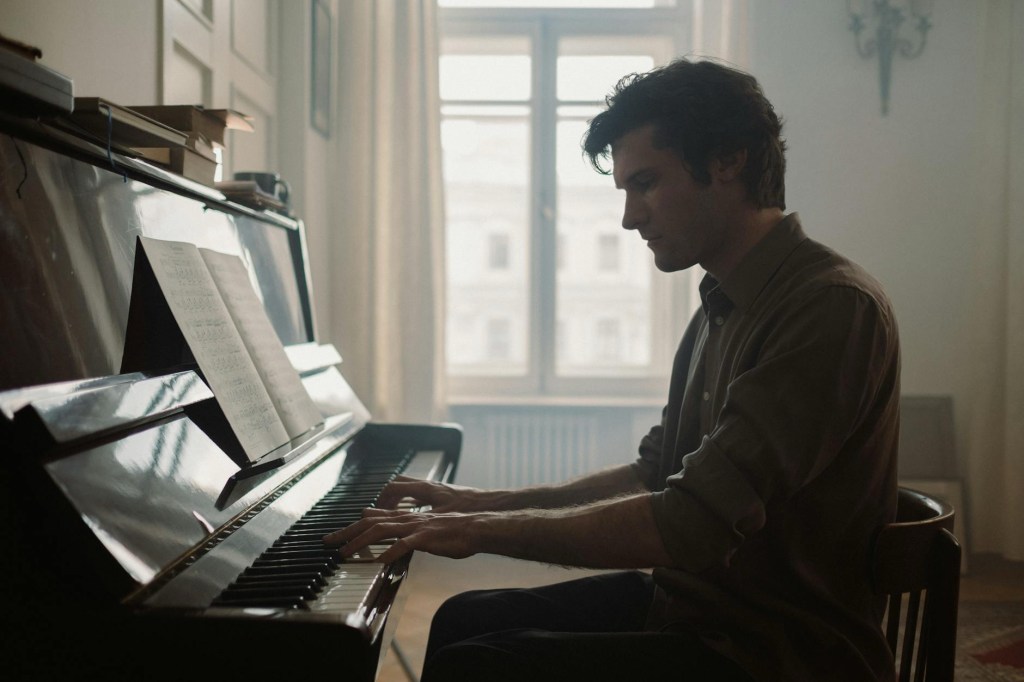
For years, I thought play was something you earned after the real work was done. It sat at the bottom of the list, behind productivity, responsibility, and proving I was doing enough with my life. But somewhere along the way, my soul started pushing back. It reminded me that I was not created only to produce. I was created to breathe, explore, notice, and delight.
When I finally stopped treating play like a reward and started treating it like a rhythm, everything softened. My creativity returned. My body relaxed. My faith deepened. Play did not pull me away from purpose. It brought me back to it.
Being Is a Form of Play
I play in simple ways. I play virtual games that stretch my imagination. I sit at the piano and let my fingers wander without an agenda. I take photos, not to capture perfection, but to notice light, texture, and fleeting moments. I write, draw, or paint when the urge rises, not when it fits neatly into a schedule.
For me, play is not loud or performative. It is presence. It is allowing myself to exist without striving. Scripture reminds me that there is a time for everything, and that includes moments set apart for enjoyment and renewal. Ecclesiastes 3:13 affirms that it is God’s gift for us to take pleasure in our labor and in the simple act of being alive.
As writer Madeleine L’Engle once said, “Creativity is the natural order of life. Life is energy: pure creative energy.” When I let myself play, I am not wasting energy. I am aligning with it.
Rest That Rebuilds the Soul
Playtime, for me, is deeply tied to rest and rejuvenation. It is how my soul exhales. It is how I return to myself after giving so much of my attention to others, to tasks, to expectations. Psalm 127:2 gently reminds me that striving without rest is never the point, that God delights in giving rest to those He loves.
Play restores what discipline alone cannot. It reminds me that joy is not something I chase. It is something I receive. Philosopher Alan Watts captured this beautifully when he wrote, “The meaning of life is just to be alive. It is so plain and so obvious and so simple.” Play brings me back to that simplicity, again and again.
Even Jesus modeled this rhythm. He withdrew. He rested. He lived fully in the present moment. Mark 6:31 shows Him inviting His disciples to step away and rest, recognizing that constant output without restoration leads only to depletion.
Soul Insights
1. Play is not childish. It is courageous.
Choosing play in an achievement-driven world requires discernment and self-trust. It means resisting the pressure to constantly prove your worth. When you play, you declare that your value is not tied to output. That kind of freedom takes maturity.
2. Play reveals what still delights you.
The things you return to naturally often point to what nourishes you most. They show you where your curiosity lives and where your spirit feels most at home. Paying attention to these patterns is an act of self-respect. Play becomes a mirror.
3. Play strengthens creativity rather than distracting from it.
Creativity does not thrive under constant demand. It needs room, experimentation, and joy. When you play, ideas loosen and flow more freely. The work becomes richer because the soul is engaged.
4. Play is a form of trust.
Resting into play requires believing that the world will not fall apart if you pause. It is an embodied act of faith. Proverbs 17:22 reminds us that a joyful heart is good medicine, not an indulgence. Play heals in ways effort cannot.
5. Play reconnects you to presence.
When you play, you are fully here. You are not rehearsing the future or replaying the past. You are inhabiting the moment you have been given. Poet Mary Ruefle once wrote, “Sometimes you have to play a long time to be able to play like yourself.” That is the quiet truth of becoming whole.
Final Thoughts
Play is not separate from my faith or my calling. It is woven into it. When I allow myself to play, I am honoring the life God entrusted to me. I am choosing to live awake, responsive, and receptive rather than hardened by constant striving.
If you have been waiting for permission to play, consider this your invitation. Let play be how you rest, how you listen, how you remember who you are beneath the roles you carry.
Your Turn
This week, notice what draws you in without effort. Follow it without justification. Let play lead you back to yourself.
A Gentle Invitation
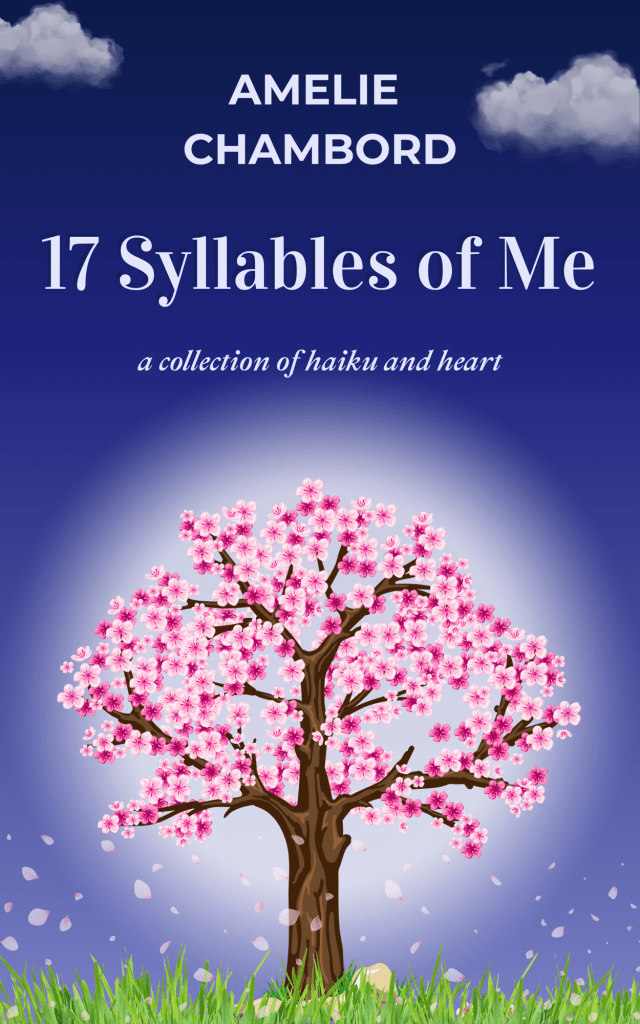
This is the same posture that shaped 17 Syllables of Me. The book was not written from a place of striving or performance, but from small, attentive moments. Haiku became my form of play. Seventeen syllables at a time, I learned to slow down, notice what stirred beneath the surface, and let language breathe. Each poem is paired with reflection, not to instruct, but to accompany. If your soul has been craving rest that feels honest, creative, and grounded in faith, this book is an open chair beside mine. No pressure. Just presence.
Thank you for taking the time to read! 🤗
© 2026 Amelie Chambord

 Soul Path Insights
Leave a comment