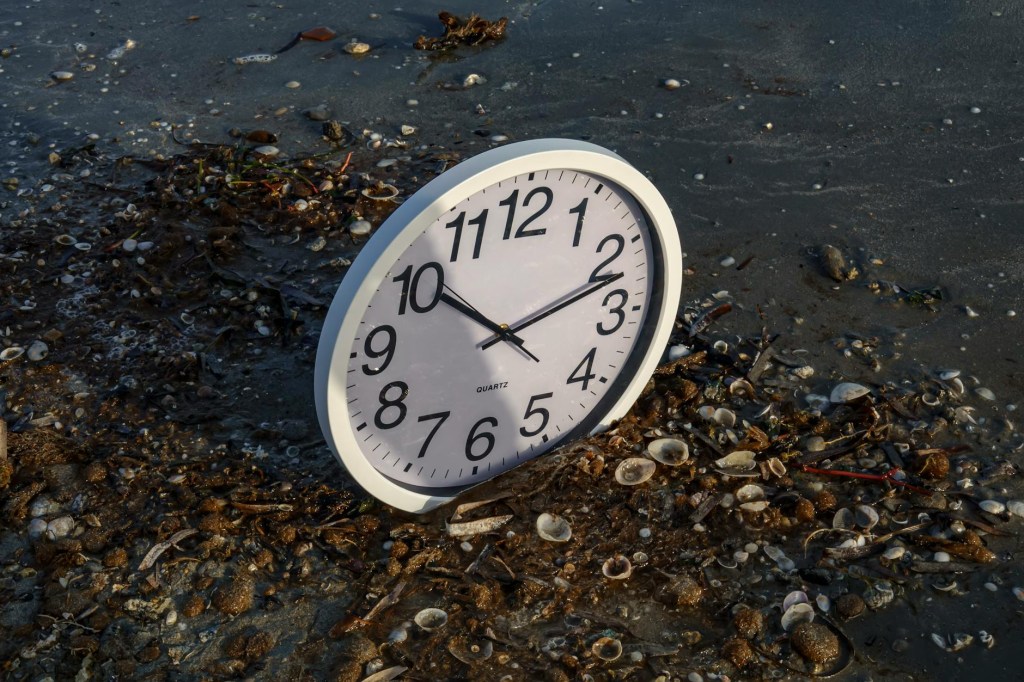
The Great Paradox
Of course, I need time. Don’t we all? There are books to write, books to read, friends to meet, oceans to see, and sunsets to catch before they fade into memory. But the paradox is this: time is the one thing I seem to have the least of. Most days, I spend eight hours (sometimes more) working for the necessities of life: rent, food, clothes, bills. It’s like trading my best hours for survival instead of living. And while I’m grateful for the provision, there’s a part of me that whispers, There has to be more than this.
We chase time like it’s a luxury we’ll one day earn, after retirement, after the promotion, after the kids are grown, after the next thing. But time isn’t waiting. It’s passing right now, in quiet seconds, unnoticed until it’s gone. As the psalmist prayed, “Teach us to number our days, that we may gain a heart of wisdom” (Psalm 90:12). Maybe the wisdom comes not from counting the hours but from cherishing how we spend them.
The Illusion of Busyness
Busyness gives us a false sense of importance. We convince ourselves that productivity equals purpose, that constant movement means progress. But even Jesus, who had the greatest mission in history, often withdrew from the crowds to pray, to rest, to simply be. Luke 5:16 reminds us, “But Jesus often withdrew to lonely places and prayed.”
If the Son of God took time to breathe, why do we believe we can function without pause? In our effort to fill every moment, we forget that presence is the true wealth of living.
As Annie Dillard once said, “How we spend our days is, of course, how we spend our lives.” Each moment spent rushing toward something steals from the moments meant for being.
The Weight of Exchange
Eight hours for wages. Two for traffic. One for dinner. What’s left feels like crumbs of consciousness scattered at the end of the day. The world calls it balance, but it feels more like barter, exchanging time for survival instead of creation.
Ecclesiastes 3:1 says, “To everything there is a season, and a time to every purpose under heaven.” The hard part is learning which season we’re in and whether we’re honoring it. Some seasons demand endurance, but others whisper an invitation to slow down.
As poet Mary Oliver asked, “Tell me, what is it you plan to do with your one wild and precious life?” That question humbles me every time because the answer should not be work until I’m too tired to dream.
The Longing to Be Free
I sometimes envy the freedom of the retired, not because of their age, but because they’ve stopped living by the clock. They walk slower, linger longer, and notice more. Maybe that’s what true wealth looks like, unhurried mornings, the sound of waves without a schedule, laughter without a deadline.
In Matthew 6:26, Jesus pointed to the birds and said, “They do not sow or reap or store away in barns, and yet your heavenly Father feeds them.” The message wasn’t about irresponsibility; it was about trust. If we truly trusted God to provide, maybe we’d stop clutching our time so tightly and start savoring it more freely.
Thoreau wrote, “It is not enough to be busy. So are the ants. The question is: what are we busy about?” That one hits home. Because sometimes the things that fill my calendar aren’t the things that fill my soul.
Soul Insights
1. Time is the truest form of wealth.
You can regain money, status, or possessions but never a single moment once it’s gone. Real abundance is measured not in earnings but in the freedom to use your hours meaningfully. When we see time as sacred currency, we spend it differently—on people, passions, and peace.
2. The world profits from your distraction.
Every ping, post, and paycheck keeps us tethered to the illusion that more doing equals more being. The truth? Stillness is rebellion. Slowing down in a culture addicted to urgency is a spiritual act of resistance and a return to self.
3. Rest is not laziness; it’s alignment.
Even God rested after creation. Rest isn’t indulgence; it’s wisdom. It allows our inner world to reset, our creativity to breathe, and our spirit to remember what matters. Without rest, purpose becomes performance.
4. The clock can’t define your calling.
Many of us confuse our job with our purpose. But our calling doesn’t live in our work hours—it lives in our heart hours. You fulfill your purpose when you align with what gives you peace and brings light to others, no matter when or how long it takes.
5. Freedom starts in mindset, not in retirement.
You don’t have to wait for permission to live slowly. Freedom begins when you decide that your worth isn’t tied to output. True living is being fully present in the now, with gratitude as your guide.
Final Thoughts: Living Beyond the Clock
Time isn’t our enemy; it’s our teacher. It shows us what matters by what remains after the noise fades. I want to live a life where my hours reflect my heart, not my paycheck. To write, to breathe, to walk with God and see the world not through a to-do list but through wonder again.
Maybe that’s the secret the retired already know. They’ve stopped racing time and started dancing with it. And perhaps that’s the invitation God keeps offering us each day, to stop counting minutes and start making moments.
So yes, I need time. But even more, I need to honor it.
Your Turn
This week, pause once a day and ask yourself: Am I living or merely existing?
Take one sacred hour for yourself. No screens, no plans, no performance. Just being.
Because time is a gift, and the way you unwrap it defines your life.
By the way…
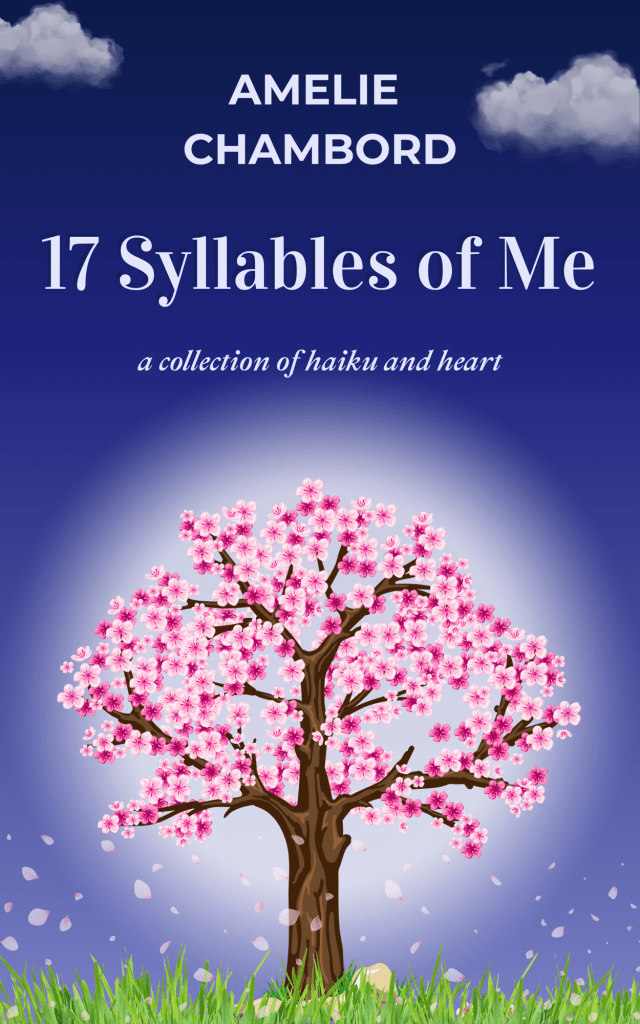
While you’re here, please check out my book 17 Syllables of Me available on Amazon and my blog site SoulPath Insights.
Thank you for taking the time to read! 🤗
© 2025 Amelie Chambord

 Soul Path Insights
Leave a comment