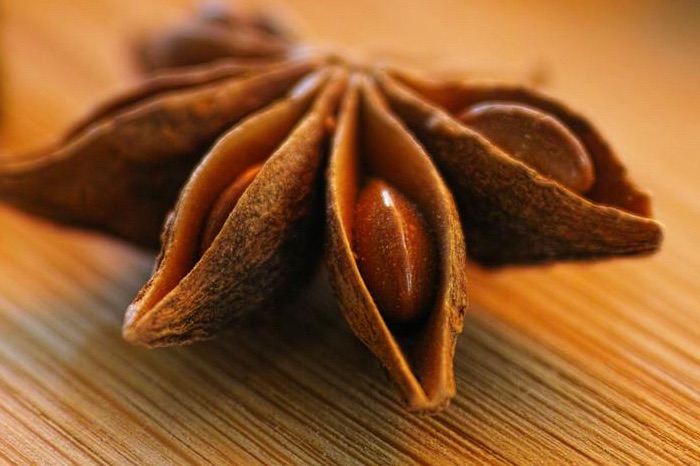
Some endings don’t come with fireworks or final words. They come quietly, like a seed that simply never takes root. At first, there’s a spark of possibility. You lean in, waiting for signs of life. But over time, the soil stays dry, and what you’re left with isn’t a garden but silence.
This is the plight of unwatered seeds; relationships, opportunities, or dreams that never bloom. It hurts because you invested hope. But hope without cultivation eventually drains the soul. Jesus put it plainly: “Every tree that does not bear good fruit is cut down and thrown into the fire” (Matthew 7:19). Not everything is meant to grow, and wisdom is knowing when to release.
The Nature of Unwatered Seeds
A seed has potential, but potential alone doesn’t guarantee growth. Without water, sunlight, and consistent care, nothing happens. Relationships mirror this truth. If one person is giving while the other stands back, eventually the soil turns barren. The imbalance is not proof of your inadequacy, it’s proof that this seed was never tended by both hands.
As Khalil Gibran once wrote, “Forget not that the earth delights to feel your bare feet and the winds long to play with your hair.” Life keeps moving. Nature doesn’t wait for unwatered seeds. Neither should we.
The Trap of Holding On
It’s easy to cling to crumbs of attention, hoping they’ll become a feast. I’ve been there, replaying conversations, looking for hidden meanings that weren’t there. That cycle is called rumination, and it feels like reflection but steals your peace instead of restoring it.
Anne Lamott put it bluntly: “Expectations are resentments under construction.” The more we hold on to seeds that refuse to sprout, the more disappointment builds inside of us. At some point, we must choose to set it down, trusting that God has better soil ahead.
The Courage to Release
Letting go doesn’t mean you wasted your time. It means you’re wise enough to stop forcing fruit where none will grow. Paul reminds us: “I planted the seed, Apollos watered it, but God has been making it grow” (1 Corinthians 3:6). Growth is God’s job, not ours.
When we release the unwatered seed, we clear space in our lives for God to plant what is truly meant for us. Rumi said it beautifully: “Try to accept the changing seasons of your heart, even if you do not understand them.” Sometimes release is the bravest kind of faith.
Soul Insights
1. Cultivation reveals intent.
Mutual effort is the true test of growth. If both people are not tending the soil, no fruit will appear. Ecclesiastes 4:9 reminds us, “Two are better than one, because they have a good return for their labor.” One-sided labor is not partnership, it’s exhaustion.
2. Hope without evidence drains the soul.
Hoping in dry ground feels noble, but it leads to emptiness. Hope is healthy when it’s partnered with action, not illusion. Guard your joy and redirect it to fertile places.
3. Release is an act of faith.
Letting go doesn’t mean failure. It means you trust God to make something grow where He chooses. Surrender is not weakness, it is strength rooted in trust.
4. Not every seed is wasted.
Even the seeds that don’t sprout give us wisdom. They reveal our desires, patterns, and capacity for hope. They prepare us for future gardens, teaching us discernment for next time.
5. Peace comes when we stop forcing fruit.
True peace comes in surrender. Jesus said, “Peace I leave with you; my peace I give you” (John 14:27). The moment you stop chasing growth in barren soil, your soul finally breathes again.
Final Thoughts
Some seeds are meant to flourish. Others were never meant to bloom. The hard part is knowing when to keep tending and when to let go. But releasing unwatered seeds is not defeat, it’s an act of wisdom, faith, and self-respect.
Your Turn
Take a moment this week to ask yourself: Am I watering something that refuses to grow? Pray for courage to release it, and for eyes to see the gardens where God’s peace and provision already abound. Your life is too precious to be wasted on dry soil.
© 2025 Amelie Chambord

 Soul Path Insights
Leave a comment