I never imagined my greatest fear would actually happen.
I still remember the moment my dad shook me and my older sister awake. It was just before 3 a.m., the kind of hour when the world feels impossibly still. His voice was trembling as he said, “Your mom is gone.” She had been fighting cancer since the summer of 2005, and in the early spring of 2006, the battle was over.
When my mom died, it wasn’t just my heart that broke—it felt like my entire being collapsed. Mentally, emotionally, physically, spiritually… every part of me caved in.
For four years, I lived in a kind of darkness I didn’t know was possible. Nothing consoled me. Not words, not distractions, not even the well-meaning encouragement of friends. I thought about leaving this world entirely, just so I could be with her again. But somewhere deep inside, I knew that wasn’t the way forward. Still, the thought was there, lingering like an unwelcome shadow.
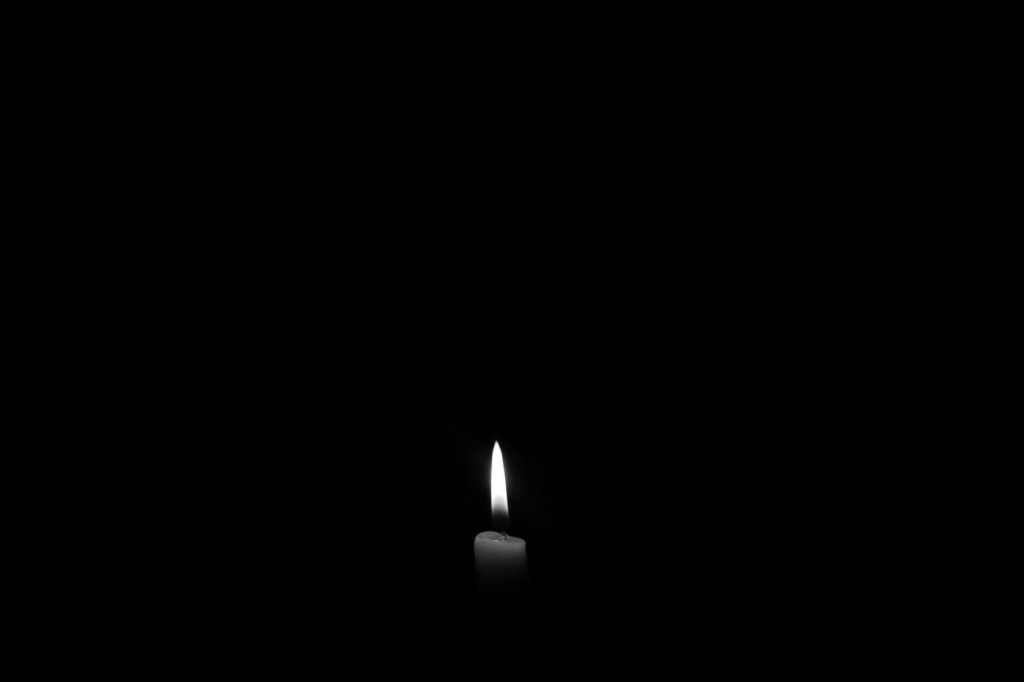
Grief has a way of rearranging your mind. It can make you believe there’s no point in staying, no light ahead. But the truth, one I couldn’t see at the time, was that the light hadn’t gone out. It was just buried under the weight of pain.
“Sometimes survival is not about being unafraid, but about moving while terrified.” — Anonymous
When Fear Becomes Reality
The moment she was gone, life split in two: before and after.
Before, my days were filled with ordinary calls, her laugh in the background of my life, the comfort of knowing she was in the world. After, every morning was a reminder of what I’d lost.
It didn’t matter that I believed in God or had verses I could quote. Faith doesn’t make grief disappear—it holds you while you shake. In those early months, Philippians 4:6 felt almost impossible: “Do not be anxious about anything, but in every situation, by prayer and petition, with thanksgiving, present your requests to God.”
I didn’t feel thankful. I didn’t feel like praying. I felt like disappearing. And yet, that verse wasn’t there to shame me—it was an invitation. One I wouldn’t accept until much later.
The Battle in the Mind
My thoughts turned against me.
Every memory became a dagger. Every hope for the future felt fake. And while people said, “Stay positive,” that didn’t even scratch the surface of what I was facing.
2 Corinthians 10:5 became more than words: “We take captive every thought to make it obedient to Christ.” It wasn’t about blind optimism—it was about arresting the lies before they could grow roots. The lie that I’d never feel joy again. The lie that I had nothing left to live for.
“You cannot heal a mind you’ve abandoned.” — Clinical psychologist’s workshop note
For me, “capturing my thoughts” started small. Sometimes it was just naming them out loud: “This is pain talking, not truth.” Other days it was journaling the worst of them, then crossing out the lies with a red pen, writing a better thought in its place.
Rebuilding the Inner World
Grief therapy didn’t give me my mom back, but it gave me something I didn’t know I could have again: myself. It was there I began practicing Philippians 4:8: “Whatever is true, whatever is noble, whatever is right, whatever is pure, whatever is lovely, whatever is admirable—if anything is excellent or praiseworthy—think about such things.”
At first, I thought, “How can I think about lovely things when everything feels ruined?” But “lovely” wasn’t about ignoring reality—it was about refusing to let darkness dictate all my attention.
“Hope is not the absence of pain, it’s the decision to believe the future can hold something worth staying for.” — Grief recovery group facilitator
Mental Reset Exercise: “3×3 Reframe”
When your mind spirals, pause and do this:
1. Name 3 things you can see that bring comfort or beauty (e.g., sunlight through blinds, a photo of someone you love).
2. Name 3 truths about yourself or God (e.g., “I am still here,” “God is with me,” “I am loved”).
3. Name 3 small actions you can take today that serve life (e.g., drink water, go outside, text a friend). This doesn’t erase pain—it reminds your mind it still has choices.
I started with small lovely things: the smell of coffee in the morning, a warm ocean breeze, the first BTS song that made me smile again. Those moments became anchors.
Soul Insights
1. Continuing Is Courage
If you’re still breathing, you’ve already demonstrated a courage you may not recognize yet. Getting out of bed, taking a shower, showing up to work, or simply making it to the end of the day are not small acts—they are proof you’re still in the fight. When life feels impossible, survival itself becomes a form of defiance against despair. Every day you stay is a day where healing has a chance to reach you.
2. Thoughts Lie
Pain is a skilled storyteller, but it often tells the wrong story. It will try to convince you that you’ll never smile again, that your life no longer has meaning, that you are alone in your suffering. These thoughts feel real because they echo your current feelings, but they are not the whole truth. That’s why capturing and challenging them—just as 2 Corinthians 10:5 urges—is essential to reclaiming your mind.
3. Small Light Is Still Light
You don’t need to see the entire sunrise to believe morning is coming. Sometimes, hope shows up as something as small as a favorite song, a bird landing on your windowsill, or the smell of your mom’s perfume when you least expect it. These moments may not erase the pain, but they are proof that beauty can exist alongside grief. When you notice them, you are telling your soul: Life still has something to give me.
4. Help Is Holy
Seeking therapy, grief counseling, or trusted community is not a sign of weakness—it’s an act of stewardship over the life God entrusted to you. Even Jesus allowed others to carry His cross; why would we think we must carry ours alone? Help creates space for healing, offering perspectives and tools you may not see in your own fog. Leaning on others is not losing faith—it’s living it.
5. Pain Can Be a Teacher
While it may feel cruel, loss has a way of sharpening your vision for what matters most. It strips away the noise, leaving you with a clearer sense of your priorities, your relationships, and your calling. Pain can break you open to deeper compassion, making you a safer place for others who suffer. If you let it, your pain will not just be a scar—it will be a guide.
Final Thoughts
If you’re in the valley now, I want you to know this: you’re not weak for struggling. You’re not faithless for hurting. And you’re not beyond the reach of peace.
Peace may not arrive in a single sweeping moment—it may come in slow, steady drops. It might look like the first genuine laugh after months of tears, or the first day you realize you didn’t cry at all.
Whether you follow Jesus or are just curious about Him, the invitation stands:
Capture the thoughts that harm you. Choose to notice what is still good. Ask for help before the darkness convinces you there’s no way out.
If you can’t pray right now, start here: “God, if You’re real, meet me here. I don’t know how to do this without You.”
And if you can pray, let Philippians 4:6 be your starting line.
I never imagined my greatest fear would happen… and I never imagined I’d survive it. But here I am. And here you can be too.
Your Next Step
If you’re standing in the dark right now, don’t walk through it alone.
Choose one action today—write down one thought you need to take captive, name three things that are still good, or reach out to a friend or counselor.
If you can pray, start with “God, meet me here.”
If you can’t, just choose to stay for one more day and let the light find you.
© 2025 Amelie Chambord

 Soul Path Insights
Leave a comment