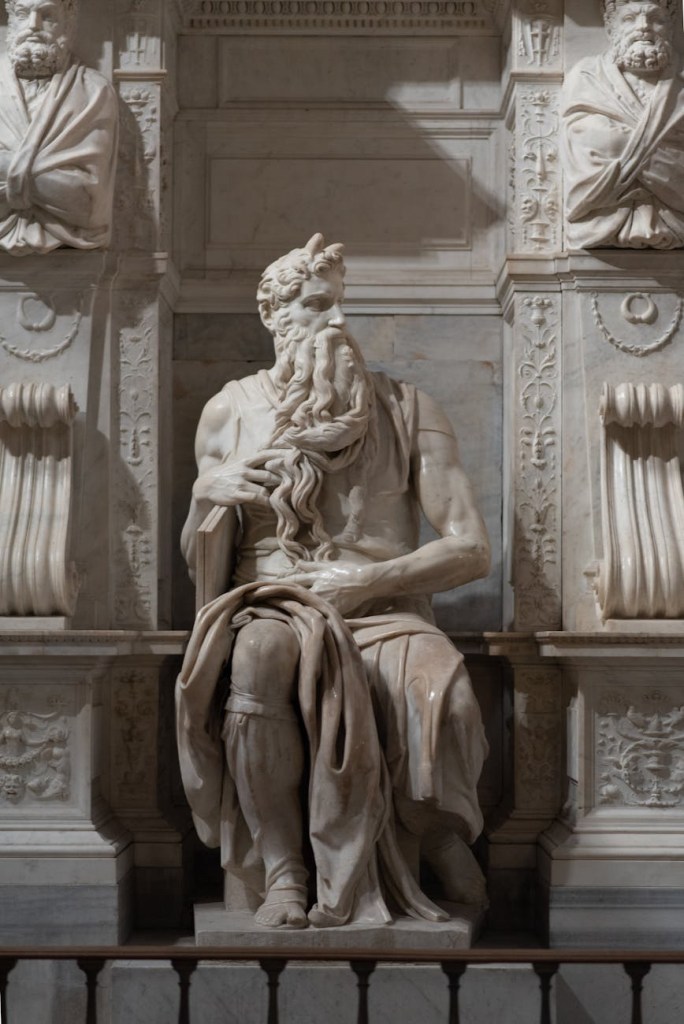
Character Study on Moses
Moses is one of the most compelling figures in biblical history—an imperfect man called by a perfect God. His story is rich with lessons about leadership, faith, and perseverance, but it’s also a deeply human story filled with moments of doubt, fear, and failure. Whether standing before Pharaoh, leading the Israelites through the wilderness, or pleading with God on behalf of a rebellious people, Moses’ journey reveals profound truths about what it means to follow God’s call, even when we feel unqualified or uncertain.
As we explore his life, we’ll uncover the relatable struggles of a man who, despite his shortcomings, became one of the greatest leaders and intercessors in history. Moses’ story challenges us to reflect on our own lives—on how we respond to moments of doubt, how we stand in the gap for others, and how we trust God through our failures. His life is a reminder that God doesn’t demand perfection; He desires faithfulness. Join me as we dive into the life of Moses, drawing wisdom from his experiences that still speak powerfully to us today.
1. Moses as a Reluctant Leader
Moses’ story as a reluctant leader is one many of us can relate to. He was hesitant when God called him to lead the Israelites out of Egypt, pointing to his perceived inadequacies, such as his inability to speak eloquently. He doubted whether the Israelites would even listen to him, much less follow him, and feared failure. Despite these concerns, God chose Moses, assuring him that He would provide everything necessary for the journey, including Aaron as his spokesman.
This resonates with my own journey, especially when I was younger and faced a big decision about moving from Hawaii to Washington State while in the military. At the time, I felt conflicted, unsure of whether I should stay or go. Like Moses, I questioned if I had the strength to make the decision and follow through, knowing that it might cost me my relationship. Yet, I also felt God calling me to pursue my education and long-term goals. Looking back, I can see how God equipped me for that transition, just as He did with Moses.
Supporting Scriptures:
- Exodus 3:11 — “But Moses said to God, ‘Who am I that I should go to Pharaoh and bring the Israelites out of Egypt?’”
This echoes our own feelings of inadequacy when faced with a seemingly impossible task. - Exodus 4:10 — “Moses said to the Lord, ‘Pardon your servant, Lord. I have never been eloquent… I am slow of speech and tongue.’”
Moses, like many of us, focuses on his weaknesses rather than trusting in God’s provision. - Exodus 4:12 — “Now go; I will help you speak and will teach you what to say.”
God’s promise to Moses is the same for us: He equips those He calls.
Practical Life Application:
Like Moses, we may feel unprepared or unqualified for what God is calling us to do. In those moments, instead of focusing on what we lack, we should focus on God’s promise to guide and equip us. For me, stepping out into unfamiliar territory—whether in relationships, career changes, or even personal growth—has often required me to lean not on my own abilities but on faith that God is working behind the scenes.
2. Moses as an Intercessor
Moses’ role as an intercessor was crucial in his leadership. He consistently stood between God and the Israelites, praying for them and asking for mercy, especially in moments of their rebellion. One of the most powerful examples is when the Israelites created the golden calf and worshiped it while Moses was on Mount Sinai. God’s anger burned against them, but Moses pleaded with God to spare them, reminding Him of His covenant with Abraham, Isaac, and Jacob.
I’ve found myself in similar roles of intercession, particularly when my mother was sick. During that time, I spent countless hours in prayer, asking God for healing and peace, not only for my mother but for myself as well. There were days when I felt overwhelmed, but interceding for my mom gave me strength. Moses’ deep love for the people he led reminds me of how much love and compassion I felt for my mother and how intercession became a way to connect with God on her behalf.
Supporting Scriptures:
- Exodus 32:11-14 — “But Moses sought the favor of the Lord his God. ‘Lord,’ he said, ‘why should your anger burn against your people, whom you brought out of Egypt with great power and a mighty hand?… Then the Lord relented and did not bring on his people the disaster he had threatened.’”
This reminds us of the power of intercession in turning away judgment and bringing God’s mercy. - Numbers 14:19-20 — “In accordance with your great love, forgive the sin of these people, just as you have pardoned them from the time they left Egypt until now. The Lord replied, ‘I have forgiven them, as you asked.’”
Moses stood in the gap, just as we are called to stand in the gap for others in prayer. - Psalm 106:23 — “So He said He would destroy them—had not Moses, His chosen one, stood in the breach before Him to keep His wrath from destroying them.”
Moses’ role as an intercessor is remembered as a profound act of love and responsibility.
Practical Life Application:
We are often called to intercede for others, standing in the gap during their times of need. Whether it’s praying for a loved one’s healing or asking for wisdom on someone else’s behalf, we can trust that God listens to our prayers. I’ve learned that interceding for others strengthens not only the person we’re praying for but also deepens our own faith. Like Moses, we must have compassion for those we lead or care for, even when they frustrate us.
3. Moses as a Man of Faith Despite Personal Failings
While Moses was an extraordinary leader, he was not without his failings. His moment of disobedience at Meribah, when he struck the rock to bring forth water instead of speaking to it as God commanded, reminds us that even great leaders are imperfect. This act cost Moses the privilege of entering the Promised Land, which must have been a bitter consequence for someone who had faithfully led the Israelites for so long.
I’ve had moments where I’ve felt I missed out on opportunities because I didn’t follow through in the way I should have. One such instance was when I didn’t apply for a job I thought I wasn’t qualified for, only to later realize that I could have been considered. Like Moses, I’ve learned that even when I fall short or make a mistake, God’s grace is still available, and His plans for me don’t end there.
Supporting Scriptures:
- Numbers 20:11-12 — “Then Moses raised his arm and struck the rock twice with his staff. Water gushed out… But the Lord said to Moses and Aaron, ‘Because you did not trust in me enough to honor me as holy… you will not bring this community into the land I give them.’”
Even Moses, with all his faith, had moments where he struggled to fully trust God’s instructions. - Hebrews 11:24-26 — “By faith Moses… chose to be mistreated along with the people of God rather than to enjoy the fleeting pleasures of sin.”
Moses’ faith led him to reject a life of comfort in favor of his calling, a powerful example for us to follow. - Deuteronomy 34:10 — “Since then, no prophet has risen in Israel like Moses, whom the Lord knew face to face.”
Despite his failings, Moses is remembered as a prophet who had an unparalleled relationship with God.
Practical Life Application:
We all have moments where we fall short, but Moses’ story reminds us that God still values our faith and obedience. It’s not about being perfect but about continuing to walk in faith, even after failure. For me, it’s meant learning from my mistakes and trusting that God’s plan is greater than my missteps. Like Moses, we may not always see the full picture of our journey, but we can rest in knowing that God’s purpose for us continues.
Self-Assessment Questions:
- How do I respond when faced with tasks that seem beyond my abilities? Do I, like Moses, focus on my inadequacies, or do I trust in God’s provision and help?
Reflect on moments in your life where you felt inadequate, just as I did when I had to choose between staying in Hawaii and moving to Washington. How did God equip you, even in your doubt? - Am I actively interceding for others in prayer? How can I better stand in the gap for those who need God’s mercy and intervention?
Consider a time when you interceded for someone else, like when I prayed for my mother during her illness. What did that experience teach you about faith and compassion?
Practical Applications:
- Stepping into Leadership Despite Doubts:
Moses teaches us that leadership often comes with self-doubt. In my own journey, I had moments of uncertainty, especially in career and personal decisions, but I learned to trust God’s guidance, even when I couldn’t see the outcome. If you’re facing a similar challenge, remember that God provides what you need along the way. - Interceding for Others:
Just as Moses prayed for the Israelites, I learned the power of prayer during difficult times, like when I prayed for my mom. Take time to intercede for others in your life—whether it’s for healing, guidance, or peace. Your prayers can have a profound impact, both on others and on your own spiritual growth. - Learning from Failures:
Moses’ story of striking the rock instead of speaking to it reminds us that even great leaders fail. In my own life, I’ve faced the consequences of my mistakes but have found that God still moves in my life. Don’t let your failures define you—use them as stepping stones to greater faith and trust in God’s plan.
Reflections
As we reflect on the life of Moses, his journey challenges us to look inward and examine our own paths. Are we allowing our doubts and fears to hold us back from what God is calling us to do? Like Moses, we may feel unqualified, but remember—God equips those He calls. Are we stepping into intercession for others, standing in the gap and praying for those in need? And finally, how are we responding to failure? Are we letting our mistakes define us, or are we using them as opportunities for growth and deeper trust in God?
I encourage you to take a moment today to consider how you can apply Moses’ lessons to your own life. Pray for the courage to step into leadership, even when you feel inadequate. Commit to interceding for those around you, offering them the same compassion Moses showed the Israelites. And when you face failure, remember that God’s grace is greater than your mistakes. He still has a plan for you—one that’s rooted in faith, perseverance, and purpose.
Now is the time to take that next step. What will it be for you?
© 2024 Amelie Chambord

 Soul Path Insights
Leave a comment