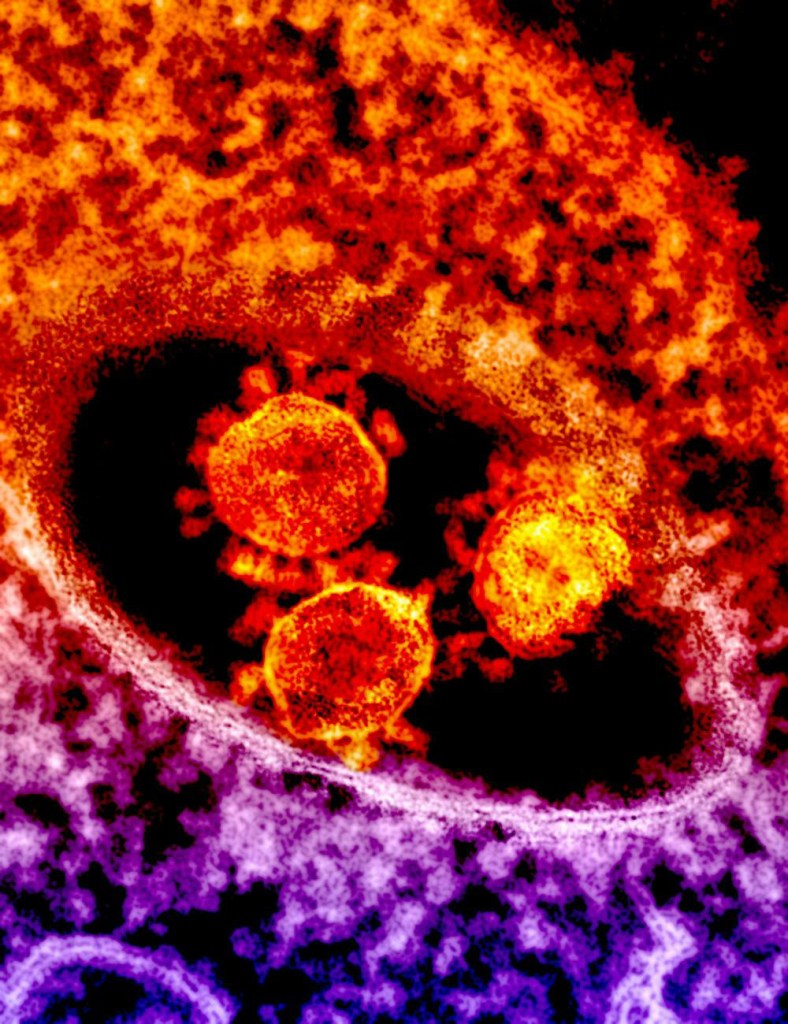
It all started innocuously enough on a Wednesday. I felt perfectly fine until the night brought a scratchy throat. By morning, I was unwell—suddenly, unexpectedly—blindsided by a tiny bug I must have picked up somewhere, unnoticed. It’s fascinating how these microscopic organisms, invisible to the naked eye, permeate every corner of our lives. Was it a sneeze from someone passing by? Or a surface innocently touched?
Forced to call in sick, I spent the following days recuperating, bolstering my immune system with nourishing foods.
It’s astounding how such minuscule entities can incapacitate us with their relentless attack. They hijack our bodies, turning us into unwitting hosts. These tiny bugs wield immense power, wreaking havoc on our health. Consider the COVID-19 virus in 2020—its rapid global spread, mutations, and devastating impact. It brought economies to a standstill, hushed bustling cities, and claimed countless lives worldwide.
Yet, amidst the chaos and suffering they cause, there are lessons to be gleaned from these microorganisms.
One profound lesson is their reminder that size does not dictate impact. Despite their infinitesimal stature, these microorganisms possess the astonishing ability to profoundly influence our lives. They challenge our perception of power and importance, demonstrating that even the smallest entities can trigger global crises or spark scientific breakthroughs. Their microscopic presence serves as a humbling reminder of the unpredictable forces that shape our world, often in ways we cannot anticipate or control.
Moreover, they underscore the power of unity—a single microbe may appear inconsequential, yet collectively, these organisms can bring about immense change. Their capacity to multiply exponentially and spread across continents underscores the strength found in cooperation and collaboration. It’s a stark contrast to our human tendency to underestimate the collective impact of small, individual actions. The interconnectedness of these organisms mirrors the interconnectedness of our global community, emphasizing the need for solidarity in facing shared challenges, whether in health crises or broader societal issues.
Persistence, too, is their hallmark. Microorganisms demonstrate relentless adaptation and survival in the face of adversity. They evolve rapidly, overcoming barriers and developing resistance to treatments meant to eradicate them. Their ability to thrive in diverse environments and endure harsh conditions mirrors the resilience needed in our own lives. It’s a testament to the importance of perseverance and continuous learning, adapting our strategies and approaches as circumstances evolve.
Above all, these microscopic entities teach us resilience—to keep moving forward despite adversity. They demonstrate resilience not in the conventional sense of overcoming obstacles, but in their inherent capacity to endure and persist. Their existence predates humanity by billions of years, adapting to changing environments and surviving mass extinctions. In our own lives, they serve as a metaphorical reminder to embrace challenges as opportunities for growth, to learn from setbacks, and to maintain hope and determination even in the face of daunting odds.
Reflecting on these lessons from microorganisms reveals their profound impact. Despite their small size, they can humbly disrupt human life. These tiny entities not only cause disruption but also impart wisdom through their resilience and ability to thrive in adversity. They remind us that wisdom often emerges unexpectedly, challenging our perspectives and teaching us invaluable lessons about strength, adaptability, and the interconnectedness of life.
© 2024 Amelie Chambord

 Soul Path Insights
Leave a comment